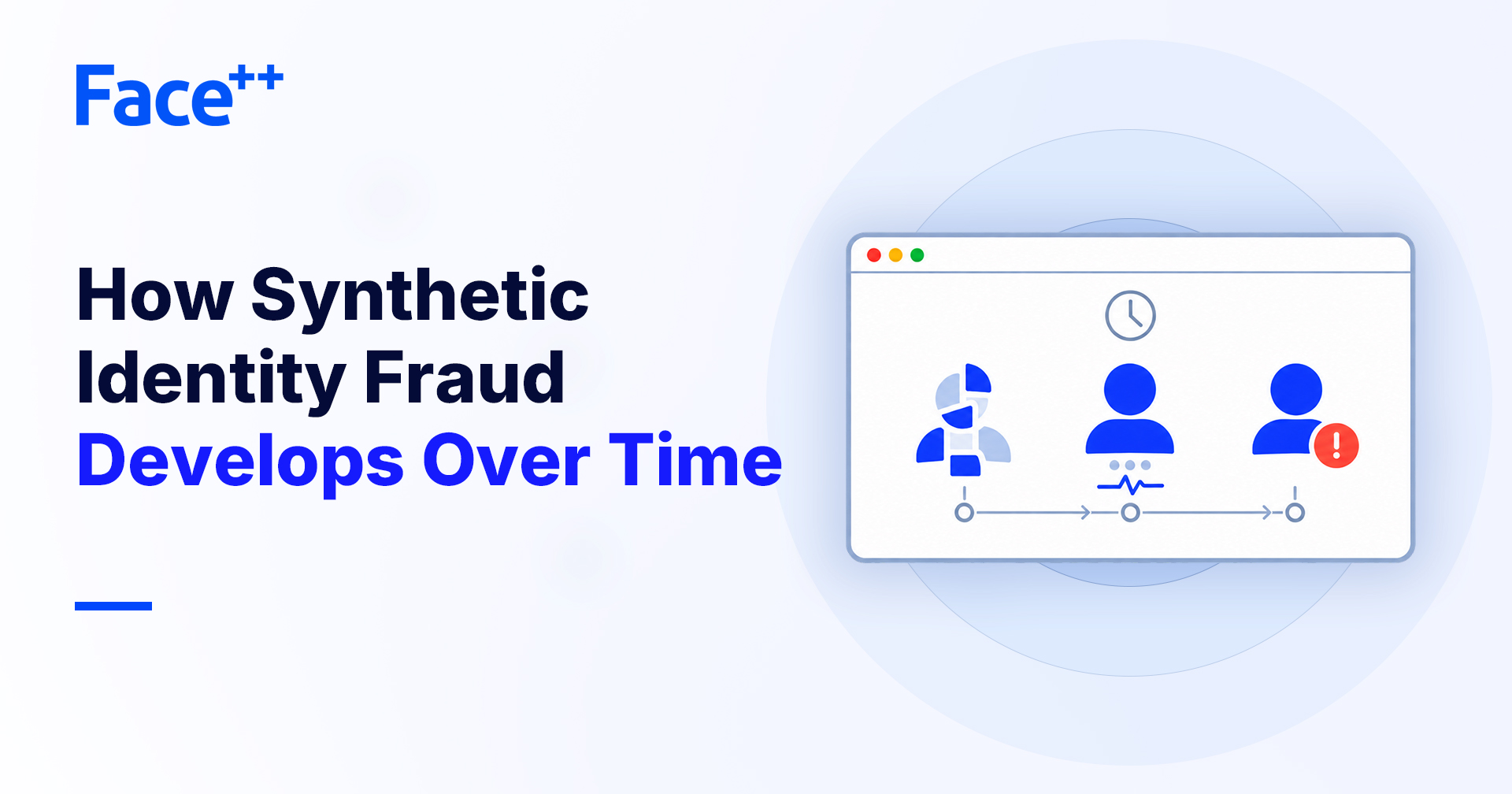
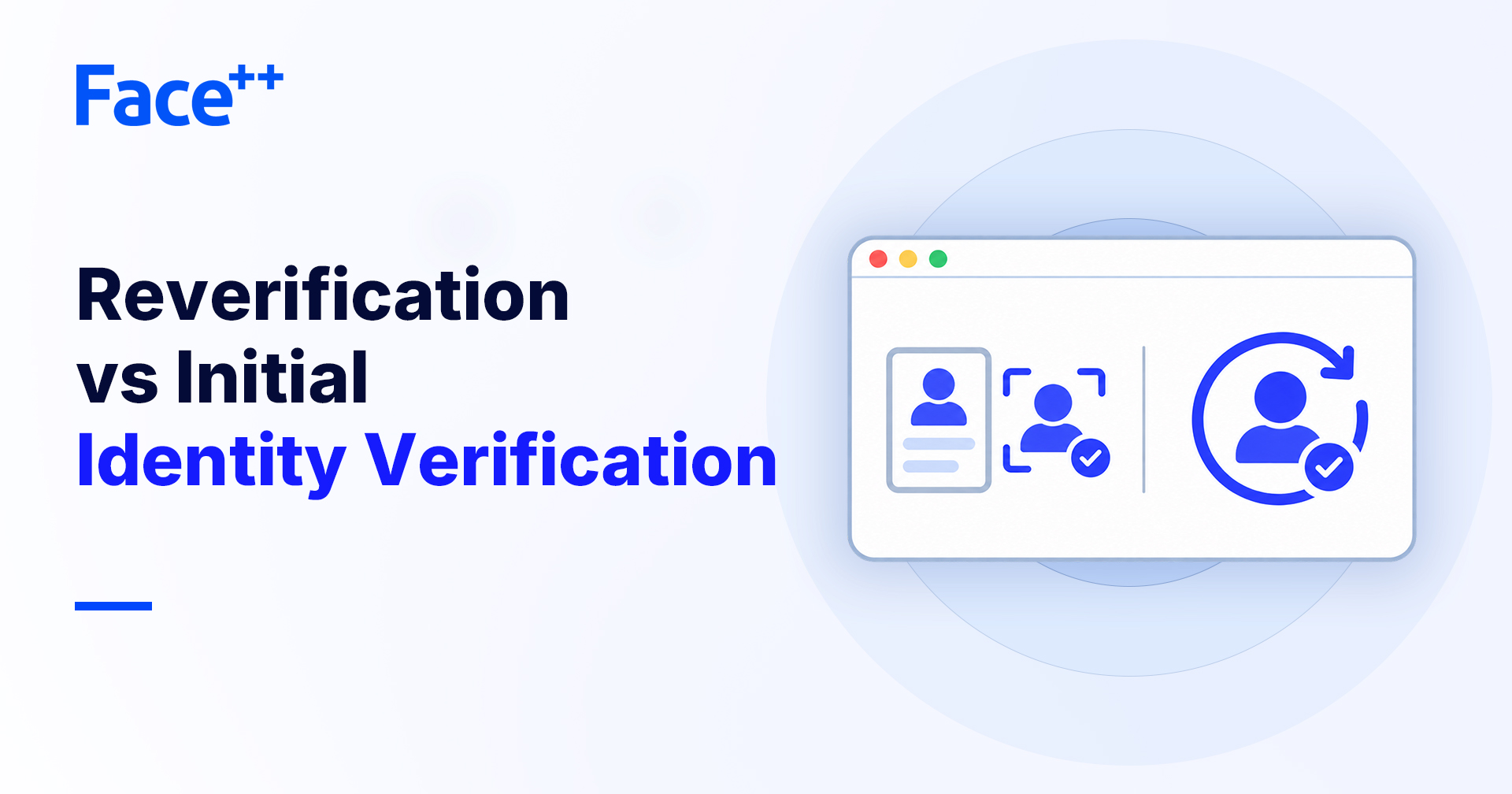
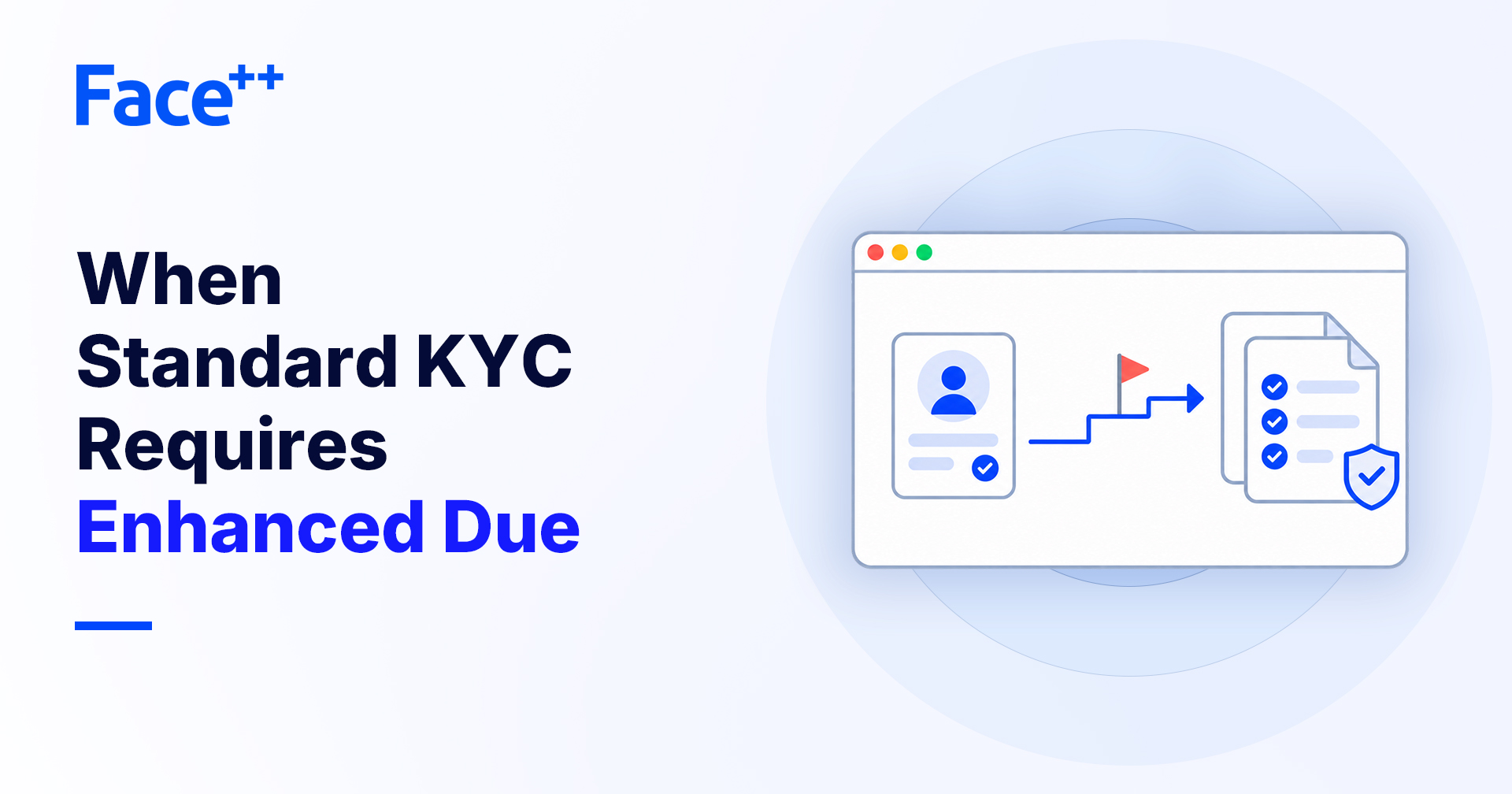
Remote identity verification is often treated as a one-time onboarding step. In reality, digital platforms may need to confirm identity whenever account ownership, customer information, or transaction risk changes.
A customer who passed onboarding months ago may later use a new device, update important profile details, initiate a sensitive transaction, or lose access to the account. A lifecycle-based approach applies the appropriate identity control to each event instead of relying permanently on the original verification.
Face++ supports this approach through face comparison, liveness detection, OCR, and facial recognition capabilities that can be integrated into different customer journeys.
1. Onboarding: Establishing the Initial Identity
During onboarding, the platform creates the first trusted relationship between a real person, their identity evidence, and a new account.
A typical remote onboarding process may include:
- Capturing an identity document
- Extracting structured data with OCR
- Checking field and document consistency
- Comparing the document portrait with the applicant
- Performing liveness detection
- Evaluating device, session, and compliance risk
Face++ face comparison can evaluate the likelihood that a current facial image and a reference portrait belong to the same person. Its Compare API returns a confidence score and relevant thresholds for decisioning. Face++ Compare API
Liveness detection adds another layer by assessing whether the biometric sample comes from a genuinely present person rather than a photograph, replay, mask, deepfake, or manipulated stream.
2. Login and Returning-Customer Authentication
Requiring full document verification at every login would create unnecessary friction. Most returning sessions can use lower-friction authentication when device, behavior, and account signals remain consistent.
Additional identity checks may be triggered when the platform detects:
- A new or unusual device
- An unfamiliar location
- Repeated failed login attempts
- Emulator or proxy indicators
- Unusual session behavior
- A high-value or sensitive account
In these situations, Face++ face verification can compare the current user with the trusted face enrolled during onboarding. This targeted 1:1 check helps establish whether the account holder is genuinely returning without repeating the complete KYC process.
3. Profile Changes and Sensitive Account Actions
Changes to a customer’s email address, phone number, payment details, beneficiary information, or security settings can affect account control.
Attackers who obtain passwords or session tokens often attempt to change these details before committing fraud. A platform should therefore evaluate both the requested action and the surrounding risk signals.
Low-risk changes may proceed with standard authentication. Higher-risk changes can trigger Face++ face verification and liveness detection. This helps bind the action to the verified customer rather than merely confirming that someone possesses the correct password or one-time code.

4. High-Risk Transactions
A valid login does not make every subsequent transaction trustworthy. Risk may increase when a customer:
- Sends an unusually large payment
- Adds a new beneficiary
- Changes withdrawal details
- Purchases a restricted product
- Transfers funds from an unfamiliar environment
- Acts outside their normal behavioral pattern
Remote identity verification can operate as a step-up control. The platform may request a fresh face capture, perform liveness detection, and compare the result with the trusted customer profile.
The decision should not depend on the facial comparison score alone. Transaction value, device risk, account history, liveness results, and previous verification evidence should contribute to the final outcome.
5. Ongoing KYC and Identity Reverification
Customer information and risk can change after onboarding. Identity documents expire, profile data becomes outdated, beneficial ownership changes, and accounts may enter higher-risk categories.
Reverification does not always require restarting the entire onboarding process. A risk-based platform can select the necessary controls:
- Refresh outdated identity fields
- Capture a renewed document
- Repeat face verification
- Perform a new liveness check
- Request additional supporting evidence
- Route uncertain cases to review
Face++ can provide the biometric identity-binding layer within this workflow. Its face verification capabilities help compare a new capture with an existing reference, while liveness detection helps establish genuine presence at the time of reverification.
6. Account Recovery: A High-Risk Identity Event
Account recovery is one of the most sensitive stages in the customer lifecycle. The legitimate customer may no longer control the registered phone number, email address, password, or trusted device. Unfortunately, attackers can exploit the same recovery process to take over accounts.
Knowledge-based questions and one-time codes may be insufficient because personal data, email accounts, and communication channels can be compromised.
A stronger recovery workflow can combine:
- Existing account and device history
- Recovery-channel risk
- Trusted identity evidence
- Face comparison with the enrolled customer
- Liveness and capture-integrity analysis
- Manual review for unresolved cases
Face++ 1:1 face comparison can help determine whether the recovery applicant matches the trusted customer profile. Liveness detection helps prevent stolen portraits or synthetic media from being used as recovery evidence.
Where legally permitted and appropriate, Face++ 1:N face search can also support investigations into duplicate or linked identities. The technology searches a captured face against an enrolled collection and returns similar candidates with confidence information. Face++ Face Search

7. Designing a Lifecycle-Based Verification Strategy
A lifecycle strategy should determine verification intensity according to the current risk rather than applying the same process everywhere.
A practical decision model can combine:
- Customer identity confidence
- Device and session consistency
- Behavioral anomalies
- Account-event sensitivity
- Document status
- Face comparison results
- Liveness and capture integrity
- Previous fraud relationships
Low-risk activity may continue without interruption. Medium-risk activity may trigger a face check. Higher-risk events may require document refresh, face verification, and liveness detection. Critical or unresolved cases may require review or temporary restriction.
This layered approach allows Face++ capabilities to support security at the moments when identity confidence matters most while reducing unnecessary friction for trusted customers.
8. Frequently Asked Questions
Q1. Is remote identity verification only required during onboarding?
No. Digital platforms can also use remote identity verification for risky logins, profile changes, sensitive transactions, ongoing KYC, and account recovery.
Q2. Should every customer repeat full KYC during reverification?
Not always. The required checks should reflect the reason for reverification. A face and liveness check may be sufficient for some events, while expired documents or major identity changes may require more evidence.
Q3. How does Face++ support account recovery?
Face++ face comparison can compare the recovery applicant with a trusted customer portrait, while liveness detection helps assess genuine presence and spoofing risk.
Q4. Can face verification replace passwords or device intelligence?
Face verification should normally complement other controls. Strong lifecycle security combines biometrics with device, behavior, account, and transaction context.
9. Conclusion
Remote identity verification should evolve with the customer relationship. Onboarding establishes the initial identity, while risk-based reverification helps protect logins, profile changes, transactions, ongoing KYC, and account recovery.
By integrating Face++ face comparison, liveness detection, and related identity capabilities into a broader risk engine, digital platforms can maintain identity confidence throughout the customer lifecycle without forcing every user through the same verification process.