Politically exposed person screening, commonly called PEP screening, helps organizations identify customers and beneficial owners who hold—or have held—prominent public functions.
A PEP relationship is not evidence of criminal activity. However, public influence and access to state resources may increase exposure to bribery, corruption, and money-laundering risks. PEP screening allows businesses to recognize this exposure and apply proportionate customer due diligence.
Face++ face comparison and liveness detection can strengthen the identity layer of this process, helping businesses confirm that the person being screened is connected to the submitted identity evidence. <div style=”height:10px;”></div>
1. What Is a Politically Exposed Person?
PEPs generally include individuals entrusted with prominent public functions, such as:
- Senior government officials
- Senior politicians
- High-ranking judicial or military officials
- Senior executives of state-owned enterprises
- Important political-party officials
- Senior officials of international organizations
Requirements may also cover family members and close associates because financial relationships can be structured through connected parties.
Definitions, coverage, and required controls vary by jurisdiction. Businesses should configure their policies according to applicable law rather than relying on one universal list.
2. What Is PEP Screening?
PEP screening compares verified customer and ownership information against relevant PEP data.
The process may evaluate:
- Full name and aliases
- Date of birth
- Nationality and residence
- Current and former public roles
- Appointment and departure dates
- Family or close-associate relationships
- Company ownership and control
- Other identifying information
A name similarity creates a potential match, not a confirmed identity. The result must be resolved using additional attributes and contextual evidence.
The FATF notes that external databases can support PEP identification, but effective implementation depends on strong customer due diligence and knowing who the customer actually is. FATF PEP Guidance
3. PEP Screening Within Customer Due Diligence
Customer due diligence establishes who the customer is, who ultimately owns or controls a legal entity, and what risk the relationship presents.
PEP screening supports this process by answering a narrower question:
Does the verified customer, beneficial owner, or related party have relevant political exposure?
A typical workflow includes:
- Collecting customer and beneficial-ownership information
- Verifying identity evidence
- Normalizing names and identifying attributes
- Screening relevant parties against PEP data
- Resolving possible matches
- Assessing customer and relationship risk
- Applying standard or enhanced due diligence
- Monitoring the relationship over time
Screening before identity resolution can produce unnecessary alerts because several people may share the same name.

4. Why PEP Screening Produces False Positives
PEP databases and customer records may contain incomplete or inconsistent information.
False positives can result from:
- Common names
- Multiple transliterations
- Missing dates of birth
- Former or outdated public positions
- Incomplete nationality information
- Shared family names
- Unclear close-associate relationships
- Variations between customer and database records
Automatic rejection based only on a name match can exclude legitimate customers and create avoidable compliance work.
A stronger match-resolution process compares secondary attributes, evaluates source quality, records the reason for the decision, and sends genuinely uncertain cases to trained reviewers.
5. How Face++ Supports Identity Resolution
Face++ does not replace a PEP database or determine whether someone qualifies as a PEP. Its role is biometric identity assurance.
Face++ 1:1 face comparison can compare the applicant’s current face with a trusted reference, such as an identity-document portrait, and return a confidence score for threshold-based assessment. Face++ Face Comparing
Liveness detection provides a separate control by assessing whether the facial sample represents a genuinely present person rather than a photograph, video, or mask.
Together, these capabilities can help establish that:
- The applicant matches the supplied identity evidence
- A genuine person is participating in the session
- The structured identity information sent for PEP screening is better bound to the applicant
A biometric match cannot resolve whether a similar PEP database record belongs to that person. Match resolution still requires appropriate identifying attributes and compliance analysis.
6. What Happens After a Confirmed PEP Match?
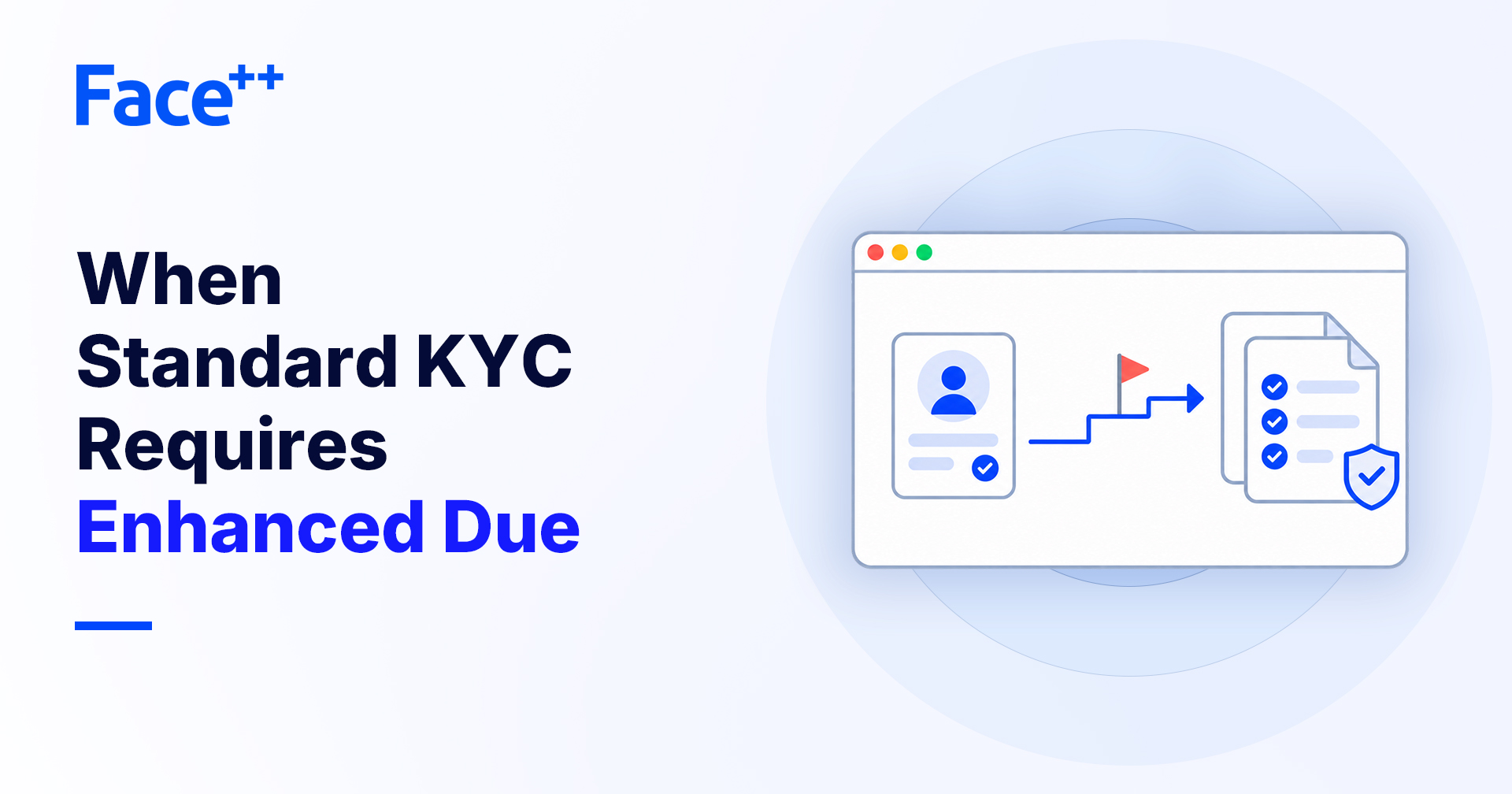
A confirmed PEP match should trigger the controls required by the organization’s jurisdiction and risk policy—not an assumption of wrongdoing.
Depending on the circumstances, enhanced due diligence may include:
- Obtaining senior-management approval
- Establishing source of wealth
- Establishing source of funds
- Understanding the purpose of the relationship
- Reviewing expected account activity
- Applying enhanced ongoing monitoring
- Documenting the risk assessment and decision
FATF guidance explains that PEP requirements are preventive and should not be interpreted as suggesting that every PEP is involved in criminal activity. It also identifies enhanced measures for foreign PEP relationships. FATF Recommendations 12 and 22 Guidance
7. Why Ongoing PEP Screening Matters
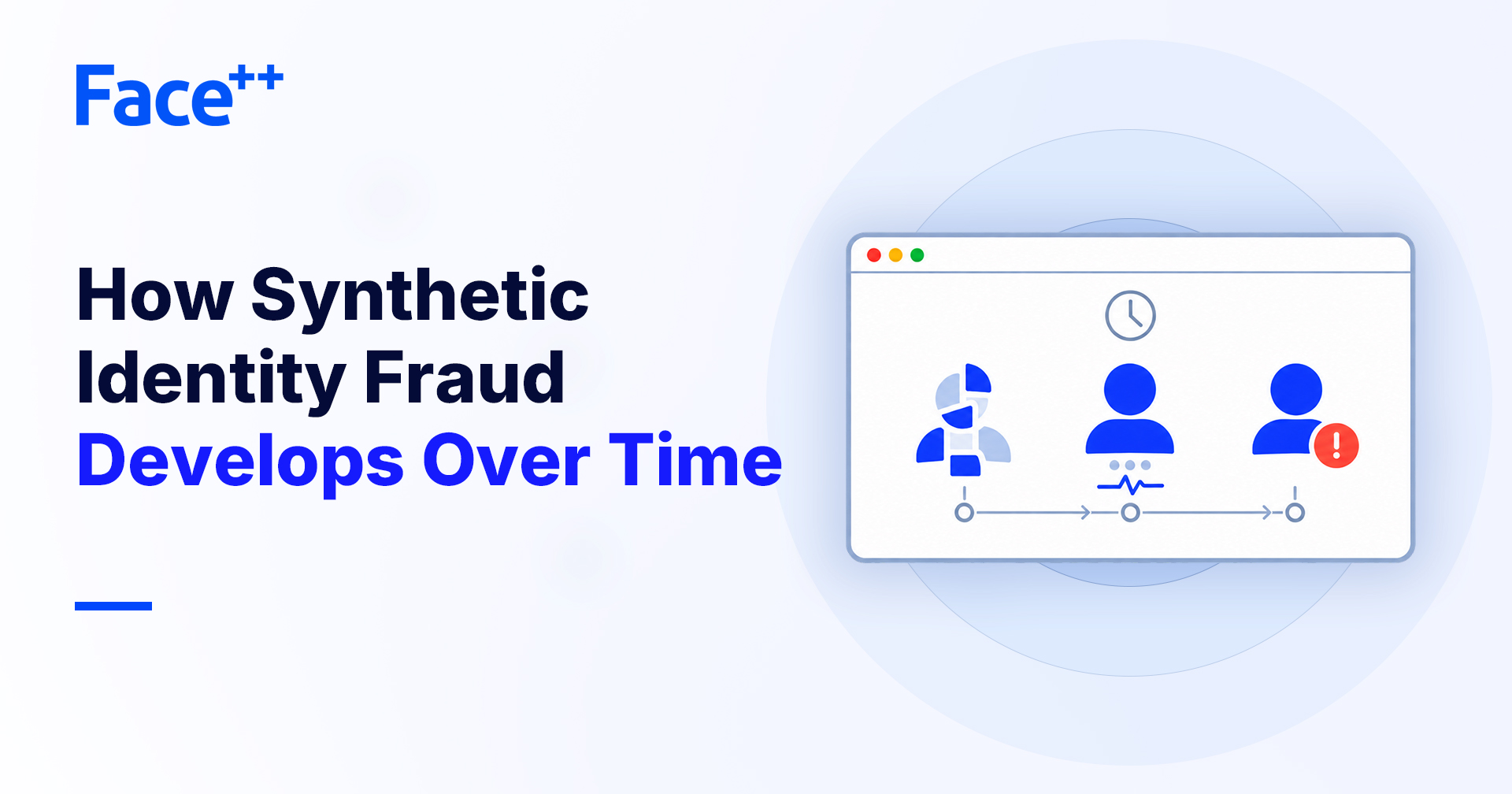
Political exposure can change after onboarding. A customer may enter public office, become connected to a PEP, or leave a prominent position while residual risk remains.
Organizations may therefore use periodic and event-triggered rescreening. Relevant triggers include:
- PEP database updates
- Customer-profile changes
- Beneficial-ownership changes
- New business relationships
- Unusual transaction activity
- Higher-risk geographic exposure
- Significant changes in account behavior
Former-PEP treatment should be risk-based and follow applicable requirements. Removing a person immediately when they leave office may overlook continuing influence or financial relationships.
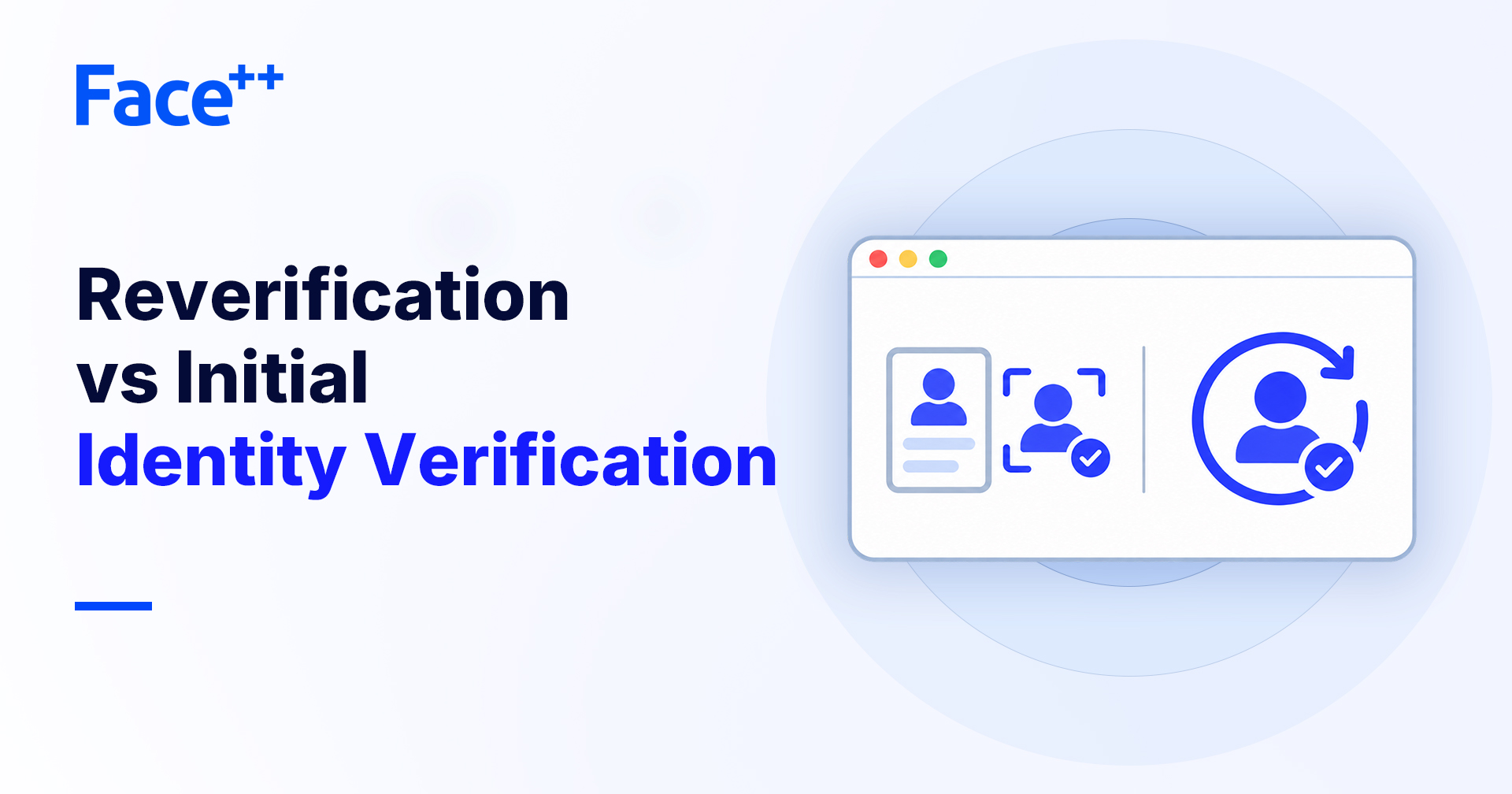
Where an event also creates uncertainty about account ownership, Face++ face reverification and liveness detection can provide step-up identity assurance before sensitive activity proceeds.

8. Building a Risk-Based PEP Decision Process
A mature process combines:
- PEP match confidence
- Verified identity attributes
- Role and level of influence
- Geography and jurisdiction
- Family and associate relationships
- Beneficial ownership
- Source-of-funds and source-of-wealth information
- Expected and observed activity
- Face verification and liveness results
- Other AML and customer-risk indicators
A weak name similarity may be resolved using additional identifiers. A confirmed PEP relationship may require enhanced due diligence. Strong combined-risk evidence may justify escalation, monitoring, or restrictions under applicable policy.
No PEP label, biometric score, or transaction signal should determine the final outcome alone.
9. Frequently Asked Questions
Q1. Does a PEP match mean the customer is involved in corruption?
No. PEP status indicates potential exposure requiring appropriate risk controls; it is not evidence of criminal conduct.
Q2. Is PEP screening part of KYC or AML?
It supports both. PEP screening is commonly performed within customer due diligence and broader AML risk management.
Q3. Should businesses automatically reject PEPs?
Not generally. The appropriate response depends on applicable law, the type of PEP, the assessed risk, and the organization’s policy.
Q4. Does Face++ provide complete PEP screening?
Face++ supports biometric identity assurance through face comparison and liveness detection. PEP identification requires suitable screening data, match-resolution processes, and compliance decisioning.
10. Connect Political Exposure to a Verified Identity
PEP screening is effective only when the organization knows who it is screening and interprets potential matches in context.
Combining reliable PEP data with Face++ face comparison, liveness detection, verified identity attributes, and risk-based due diligence helps businesses reduce false positives while applying enhanced controls to relationships that genuinely require closer attention.