Expanding across Southeast Asia does not mean applying one KYC workflow to every market. Digital banks, lenders, payment providers, and other financial businesses operate under different licensing regimes, identity infrastructures, and customer due diligence requirements.
The practical challenge is to standardize the verification platform while localizing evidence requirements, decision rules, and compliance oversight. Face++ face comparison and liveness capabilities can support the identity-assurance layer, but technology alone does not establish regulatory compliance.
1. There Is No Single Southeast Asian KYC Rulebook
KYC obligations depend on the jurisdiction, regulated entity, product, customer type, and delivery channel.
A bank’s requirements may differ from those applying to an e-money issuer, remittance provider, securities business, or digital-asset service. Domestic customers, foreign residents, companies, and beneficial owners may also require different evidence.
Before designing onboarding, establish:
- Which legal entity provides the service
- Which regulator and licence govern that activity
- Which customer categories are eligible
- Which identity evidence and verification methods are permitted
- When enhanced due diligence or additional approval applies
A successful implementation in one country should not be treated as automatic authorization to reuse the same process elsewhere.
2. KYC Extends Beyond Identity Verification
A strong customer due diligence framework typically addresses several connected questions:
- Identity: Who is the customer?
- Ownership: Who ultimately owns or controls the customer?
- Purpose: Why is the relationship being established?
- Risk: What customer, product, geographic, or delivery-channel risks apply?
- Monitoring: Does subsequent activity remain consistent with the customer profile?
Document checks, facial comparison, and liveness help establish identity confidence. They do not replace beneficial-ownership analysis, screening, transaction monitoring, or compliance review.
Likewise, a genuine customer can still present elevated financial-crime risk.
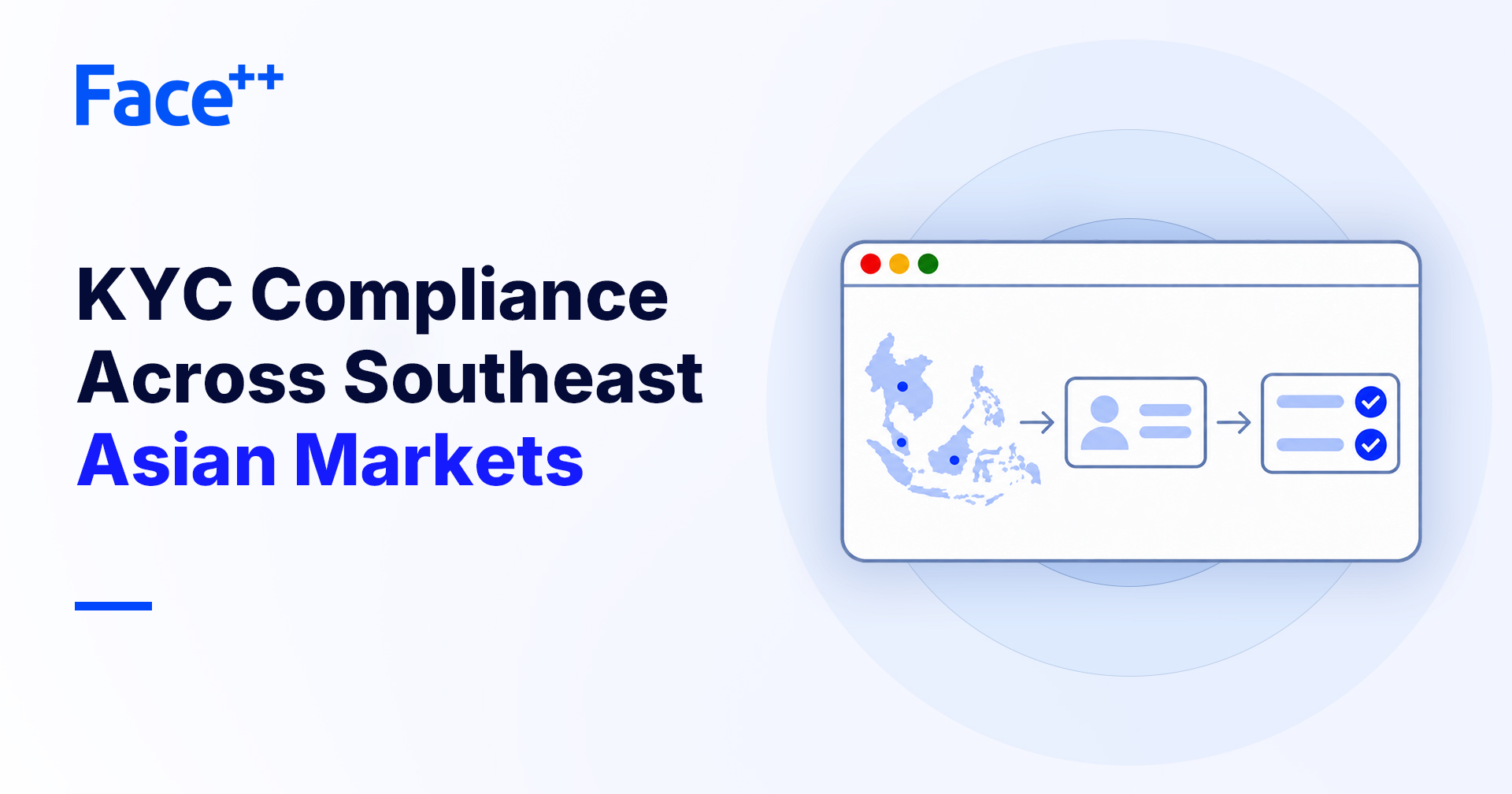
3. Selected Market Differences
The following examples illustrate implementation differences, not a complete statement of each country’s rules.
| Market | Regulatory example | Practical implication |
|---|---|---|
| Singapore | MAS guidance for banks links non-face-to-face verification measures to the product and customer risk profile. | Identify the applicable sector-specific notice; do not apply banking rules indiscriminately to every platform. |
| Malaysia | BNM’s e-KYC policy addresses onboarding of individuals and legal persons within its scope. | Assess the applicable policy requirements, governance, and controls—not just verification accuracy. |
| Indonesia | POJK 8/2023 establishes an AML/CFT and proliferation-financing prevention framework for the financial-services sector. | Map customer verification and ownership controls to the relevant regulated activity and implementing requirements. |
| Philippines | BSP Circular 1170 addresses risk-based CDD and e-KYC using digital identity systems. | Evaluate the identity system and supporting anti-fraud controls rather than treating uploaded images as sufficient. |
| Thailand | BOT’s deposit-account KYC framework includes identification and verification, with digital identity infrastructure such as NDID as a possible verification route. | Confirm the institution, account type, and conditions governing the selected route. |
| Vietnam | Payment-account rules include identity-document and biometric verification requirements for relevant electronic transactions. | Distinguish onboarding, account use, and transaction controls; confirm the applicable customer category and accepted reference source. |
Other Southeast Asian markets require their own assessment. Country labels alone are not enough to define an operational policy.

4. Localize Documents, Languages, and Identity Sources
Regional onboarding must accommodate different documents, scripts, naming conventions, and address formats.
An evidence policy should specify supported document versions, validity requirements, required fields, and available authoritative checks. Preserve original-script information alongside normalized fields where appropriate.
OCR supports extraction, not authentication. Readable text does not prove that a document is genuine or that the applicant owns it.
Where national digital identity, chip authentication, or trusted-source verification is available and permitted, evaluate its assurance and integration conditions. Access to such infrastructure should never be assumed simply because the platform supports the country.
5. Bind the Evidence to the Applicant
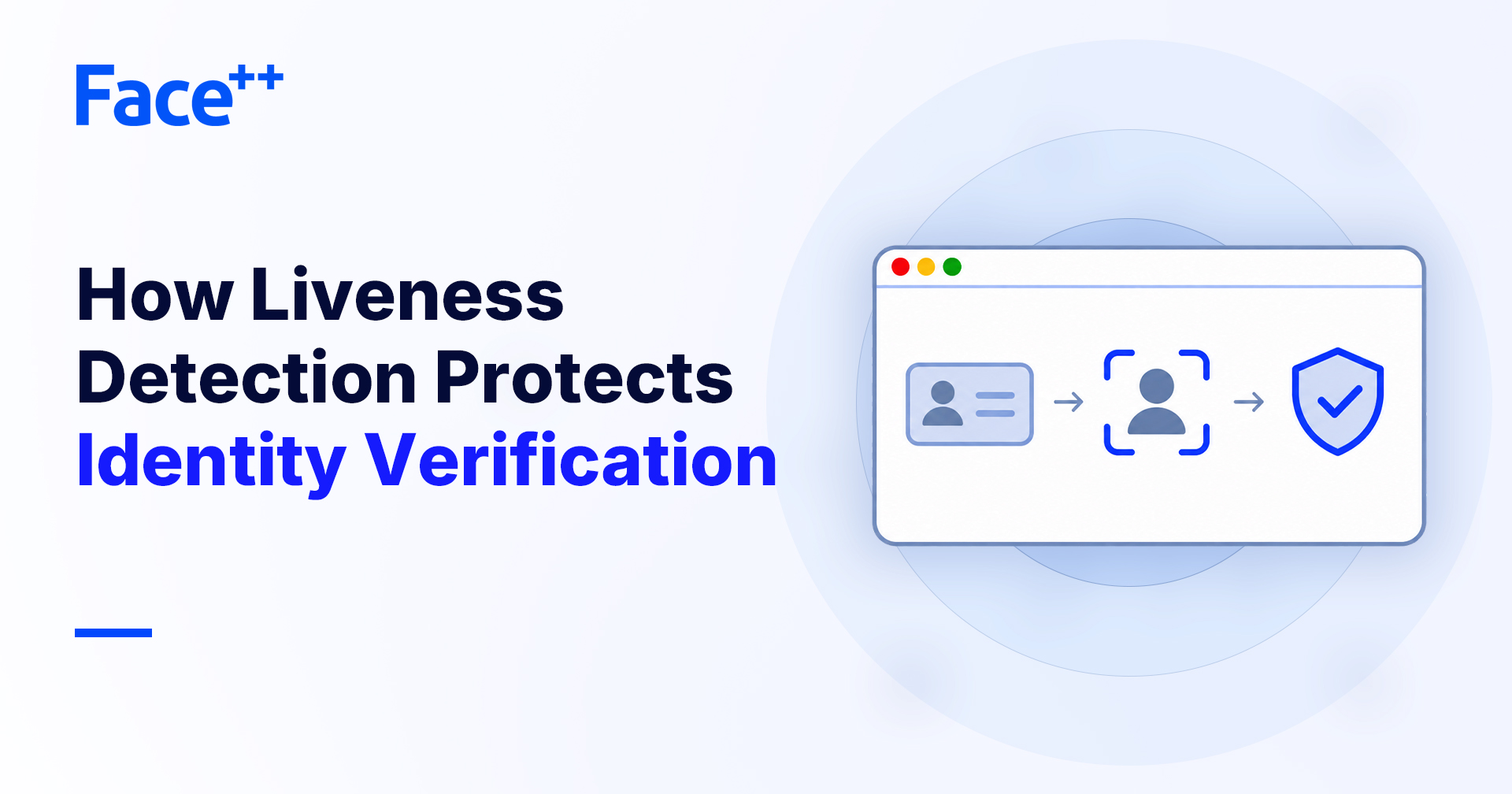
Remote verification must connect identity evidence to the person completing the session.
Face++ Face Comparing supports 1:1 facial comparison and returns confidence information with reference thresholds. It can help compare a current capture with a trusted document or enrollment portrait.
Liveness adds evidence of genuine presence. Capture-integrity controls address a separate question: whether the media followed a trustworthy acquisition path.
These controls should work alongside document analysis and device or session evidence. A strong face match does not authenticate the entire document, and a passing liveness result does not complete KYC.
Confirm the selected product’s supported methods and tested attack coverage before deployment.
6. Configure Risk-Based Decisions
Separate reusable technical services from local policy.
The shared platform may provide capture, extraction, face comparison, liveness, evidence storage, and case management. Country policies determine accepted evidence, required checks, escalation conditions, and permitted outcomes.
Possible routes include:
- Continue when required evidence is complete and consistent
- Guide recapture when quality is insufficient
- Request additional evidence when material gaps remain
- Apply enhanced due diligence for elevated risk
- Escalate unresolved cases or decline where required
A screening alert requires resolution; it is not automatically a confirmed match. Conversely, a risk score cannot override an applicable legal prohibition.

7. Maintain Compliance After Onboarding
Customer risk changes throughout the relationship.
Profile changes, expired evidence, ownership changes, unusual transactions, and account recovery can trigger updated due diligence or identity reverification.
Face++ comparison and liveness can support targeted reverification when account ownership is uncertain. They complement—not replace—ongoing screening and transaction monitoring.
Maintain an auditable record of evidence, policy versions, verification results, reviewer actions, and decision reasons. Set retention, access, outsourcing, and cross-border processing arrangements according to applicable requirements.
8. Frequently Asked Questions
Q1. Can one e-KYC provider make a platform compliant across Southeast Asia?
No. A provider supplies capabilities; the regulated business must determine and implement its applicable obligations.
Q2. Is facial verification mandatory everywhere?
There is no single regional rule. Requirements depend on the jurisdiction, product, customer, and verification route.
Q3. Does passing identity verification complete CDD?
No. Ownership, relationship purpose, risk assessment, screening, and ongoing monitoring may also be required.
Q4. Should every customer follow the same process?
No. Use approved risk-based policies while meeting mandatory local requirements.
9. Standardize Technology. Localize Compliance.
Effective regional KYC combines reusable verification infrastructure with jurisdiction-specific policies and accountable compliance operations.
Face++ biometric capabilities can help bind customers to trusted identity evidence. Sustainable compliance requires integrating that assurance with local identity sources, broader due diligence, and ongoing risk controls.