
2026-10-26 08:30
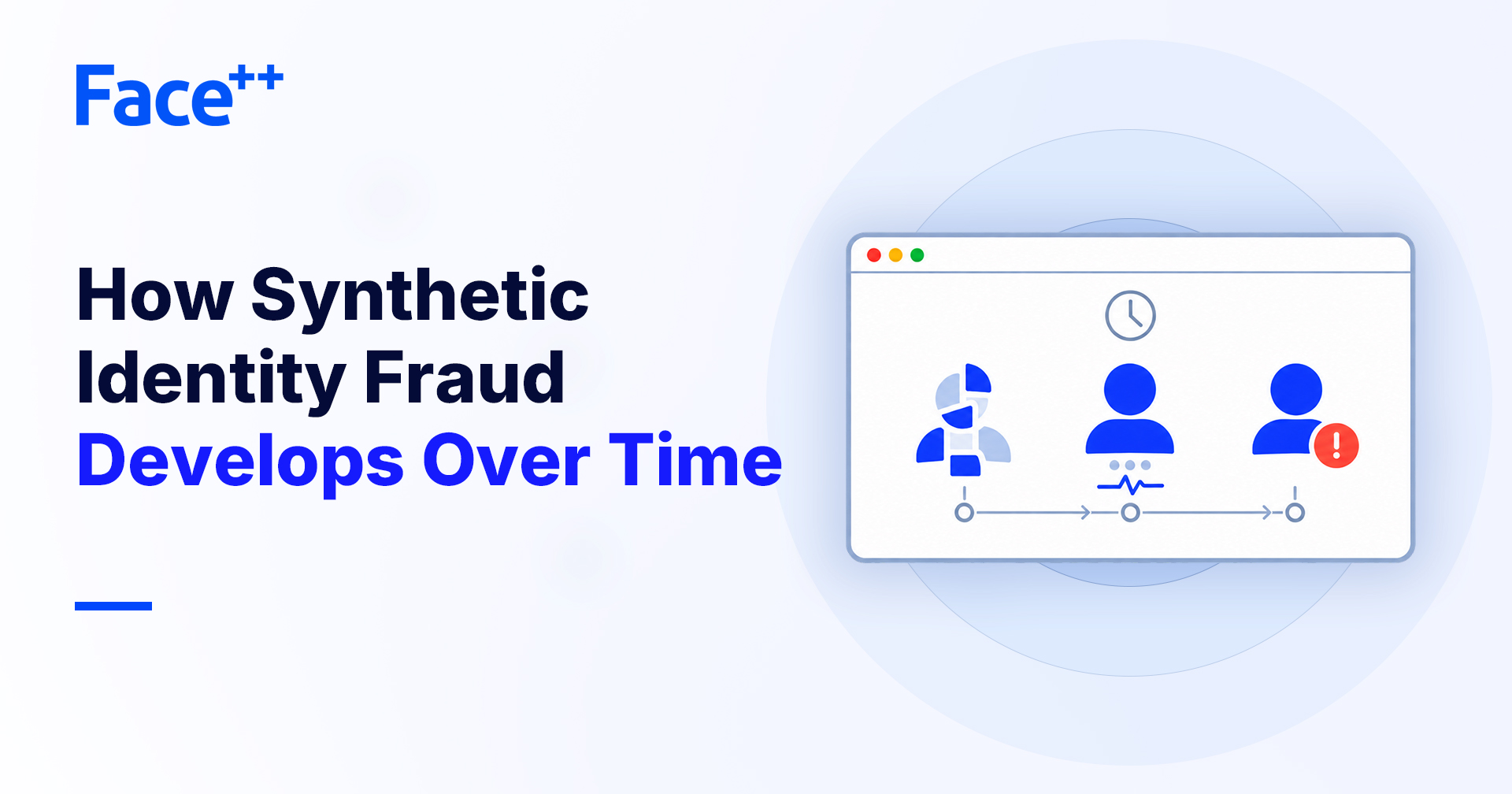
How Synthetic Identity Fraud Works: From Fabricated Profiles to Long-Term Account Abuse
Synthetic identity fraud is not always based on stealing and using one real person’s complete identity. Fraudsters may combine genuine personal information with fabricated names, addresses, contact details, portraits, or documents to create an artificial customer profile.
2026-10-23 09:15
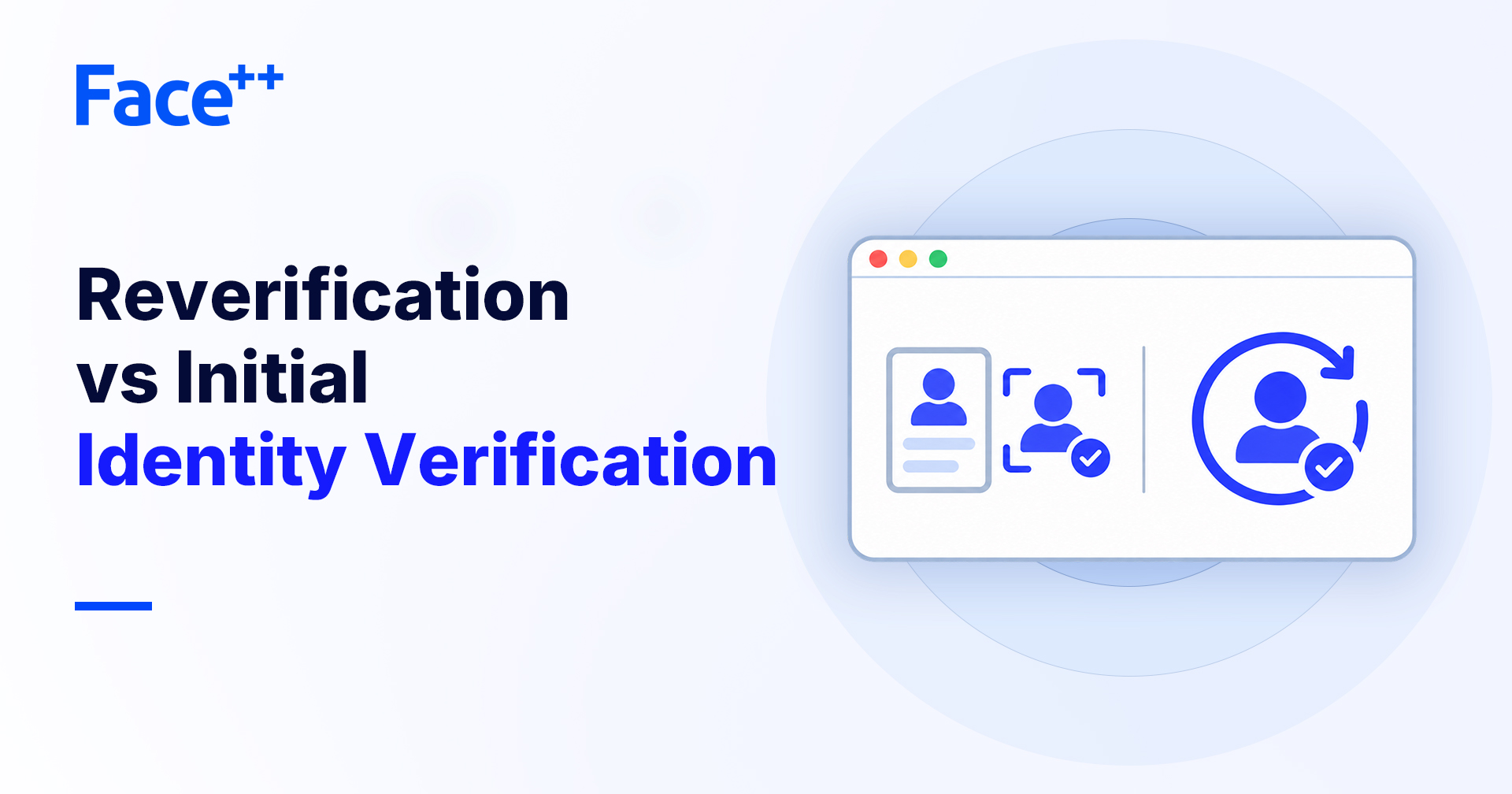
Reverification vs Initial Identity Verification: What Changes After Onboarding
Initial identity verification establishes the first trusted relationship between a person, their identity evidence, and a new account. Reverification occurs later, when a digital platform needs to confirm that the current user still corresponds to that trusted identity.
2026-10-21 09:24
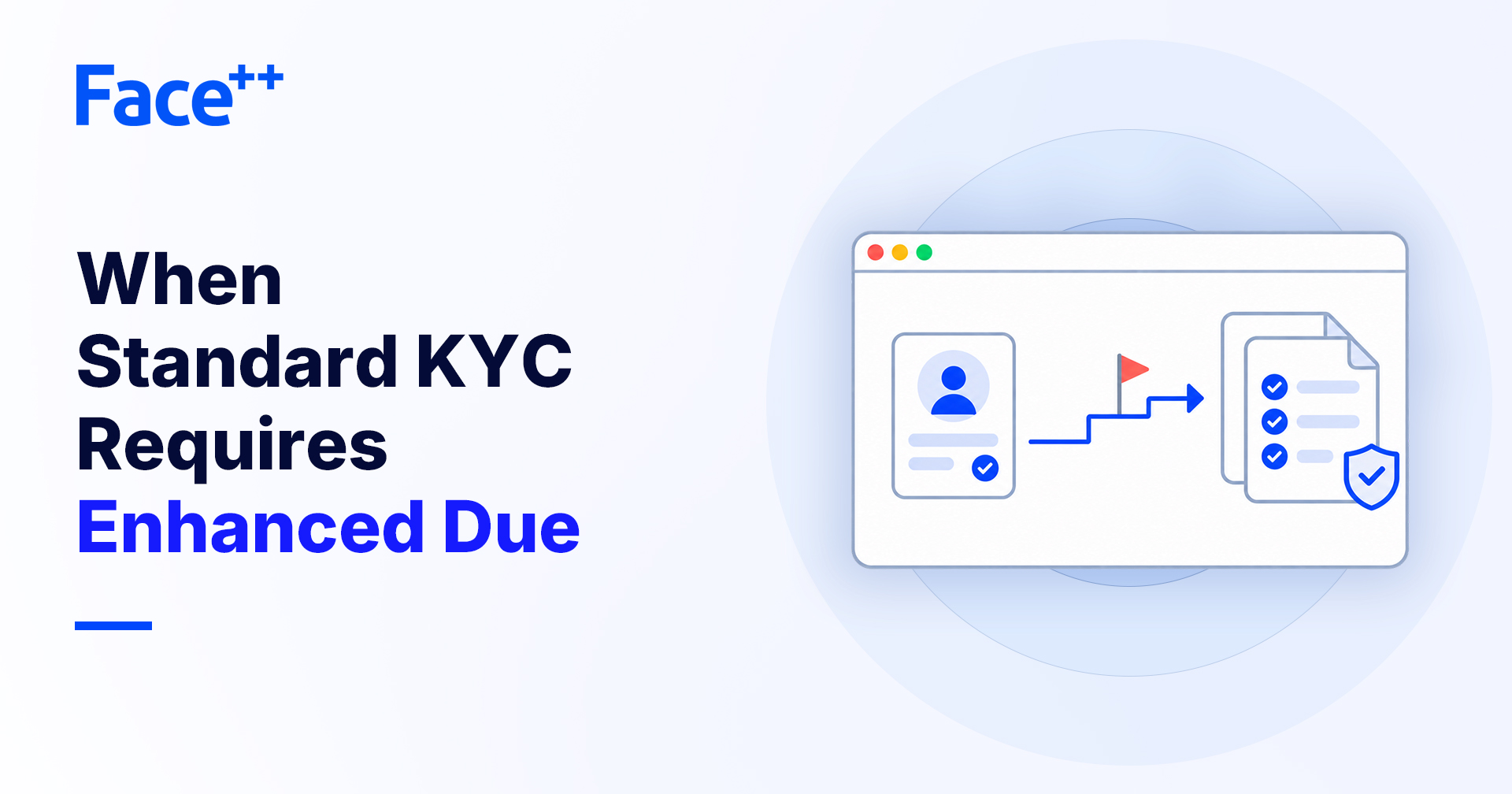
What Is Enhanced Due Diligence? When Standard KYC Is Not Enough
Standard Know Your Customer checks help businesses identify customers, verify identity evidence, understand the relationship, and perform required screening. However, some customers, transactions, ownership structures, and geographic connections create risks that cannot be addressed through routine checks alone.
2026-10-20 09:25
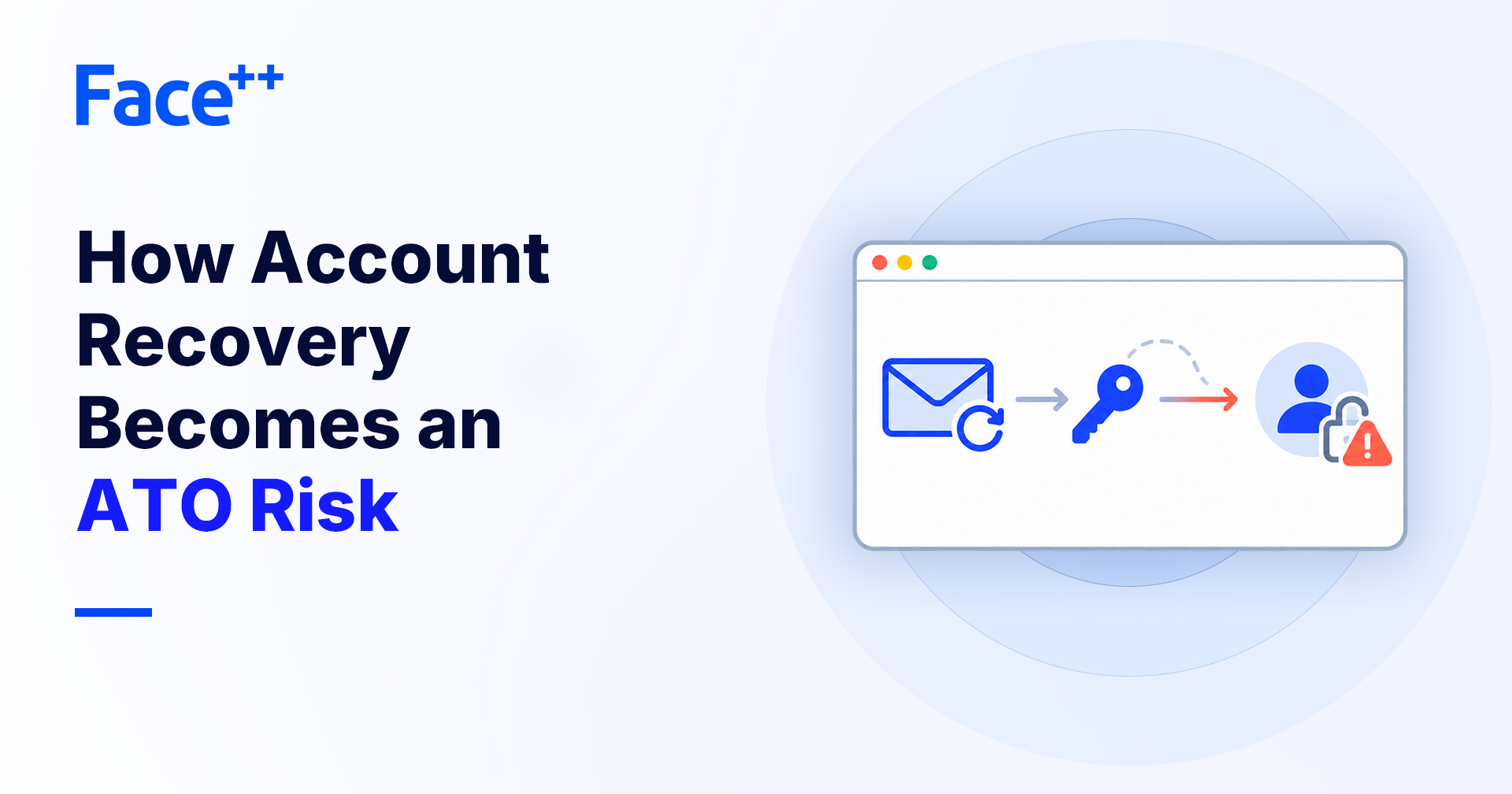
Account Recovery Fraud Explained: How Attackers Exploit the Recovery Process
Account recovery is designed for legitimate users who lose access to a password, email address, phone number, trusted device, or authentication method. Unfortunately, the same flexibility can give attackers an alternative route into a protected account.
2026-10-16 09:17
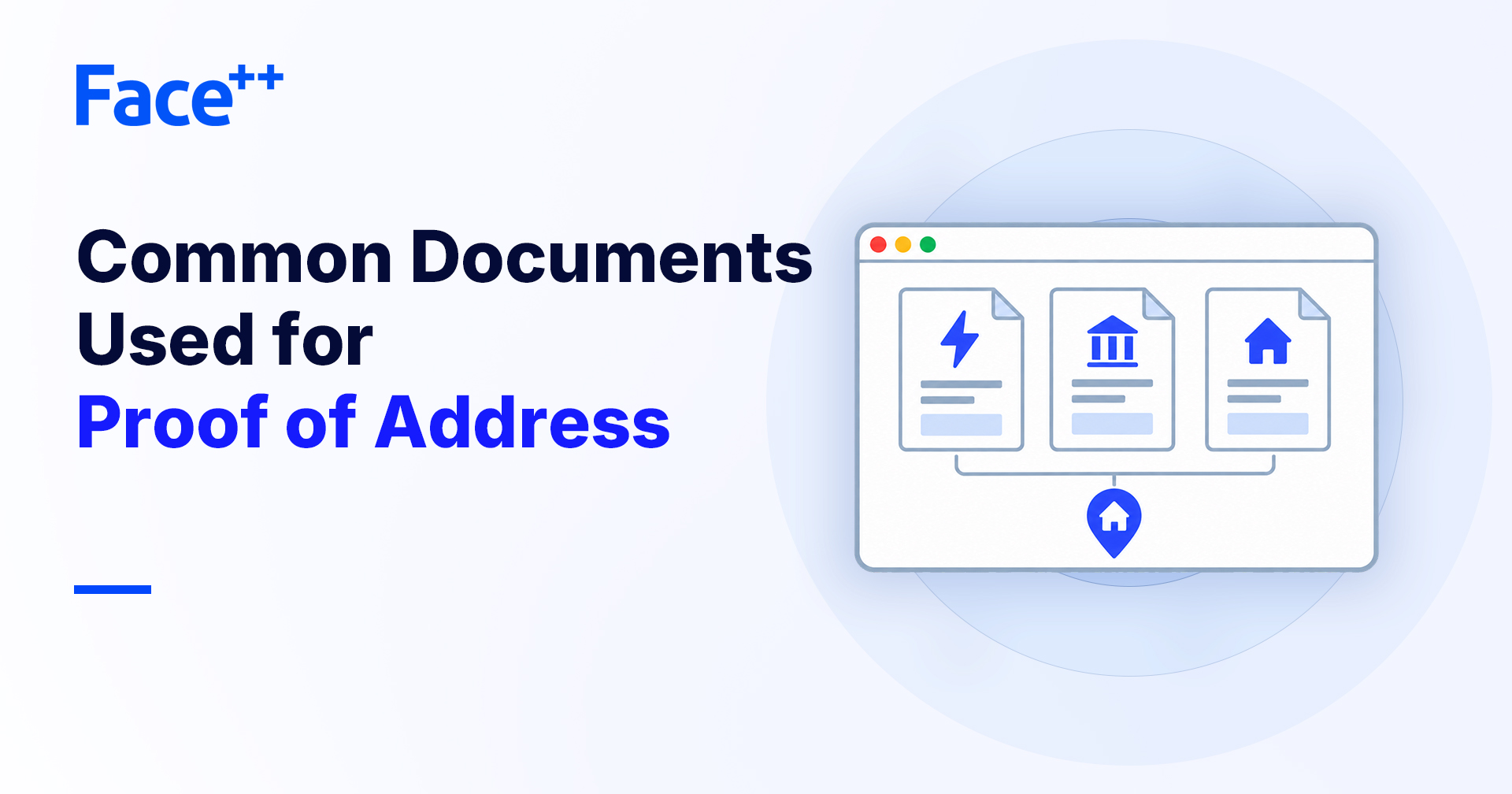
Common Proof of Address Documents: What Businesses Need to Verify
Proof of address helps a business determine whether a customer is connected to the residential or business address they have declared. It may support customer due diligence, account opening, fraud prevention, eligibility checks, and regulatory compliance.
2026-10-14 08:57
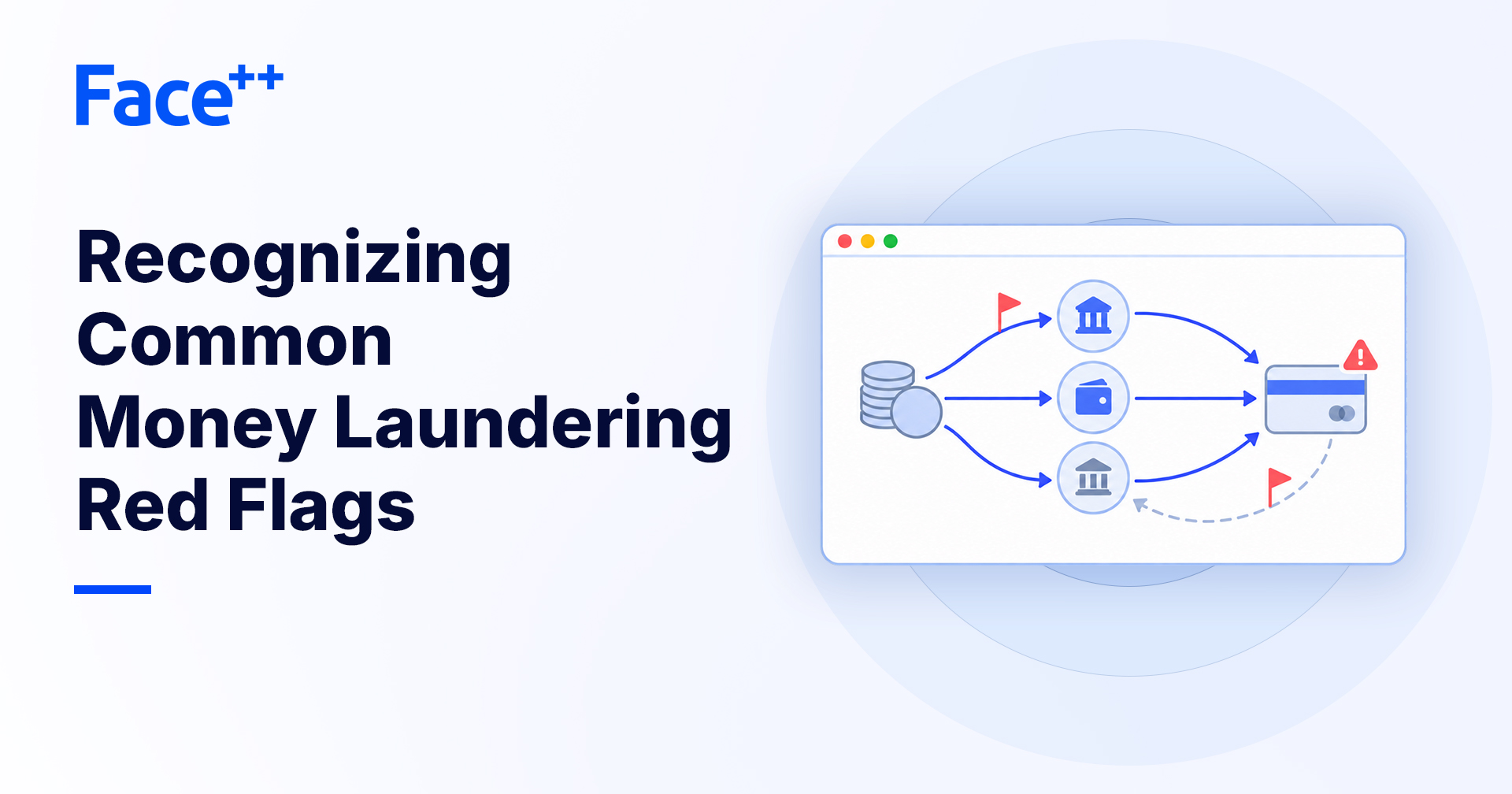
Common Money Laundering Red Flags: What Digital Financial Platforms Should Watch For
Money laundering red flags are behaviors, relationships, or transaction patterns that may indicate financial activity requires further investigation. They are not proof of criminal conduct, and many have legitimate explanations.
2026-10-12 09:10
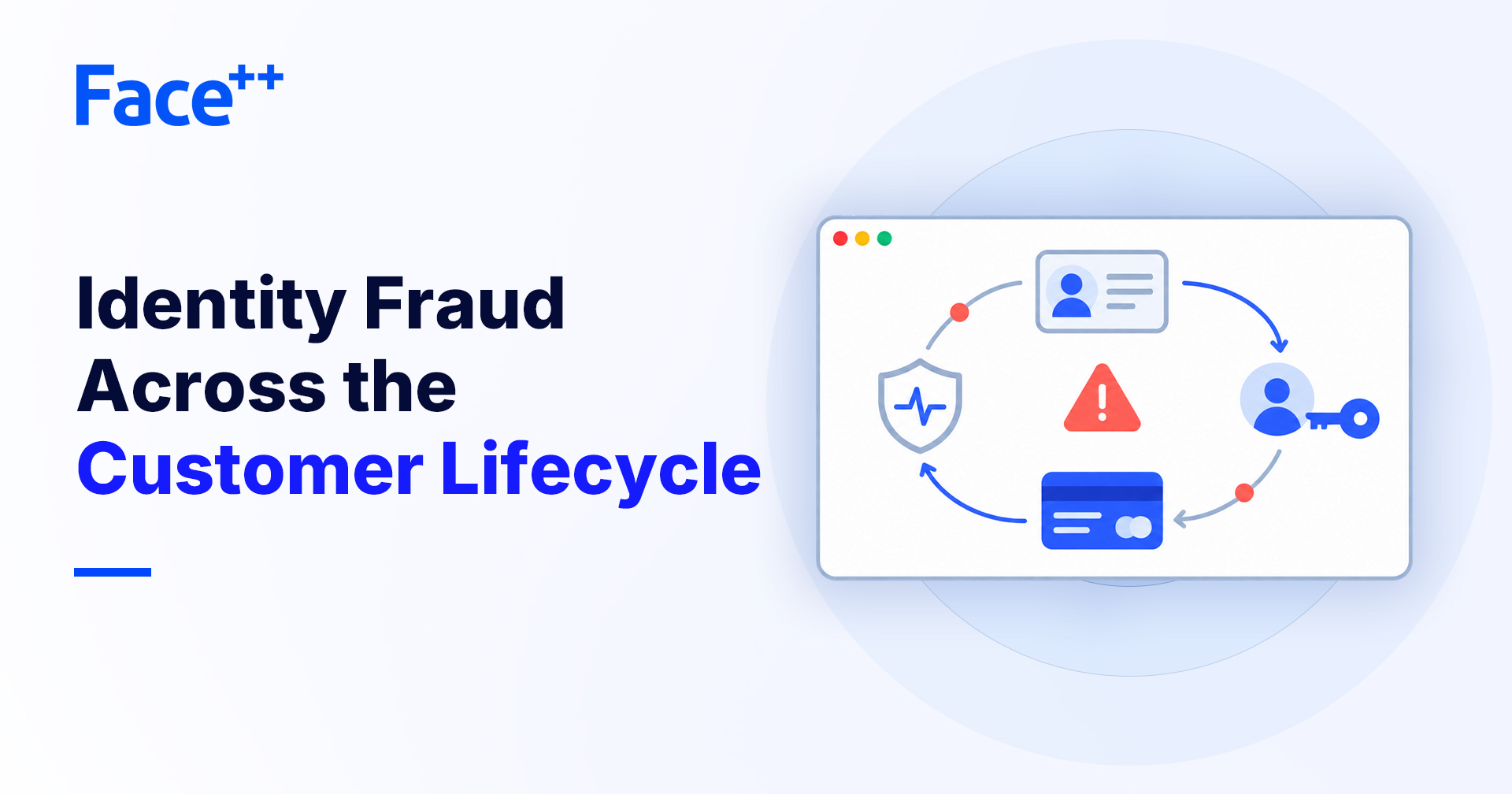
Identity Fraud Across the Customer Lifecycle: Where Risk Emerges From Onboarding to Account Recovery
Identity fraud does not end when a customer passes onboarding. Criminals may create an account with stolen evidence, take control of a legitimate account later, manipulate profile information, or exploit recovery procedures after trust has already been established.
2026-09-30 08:59
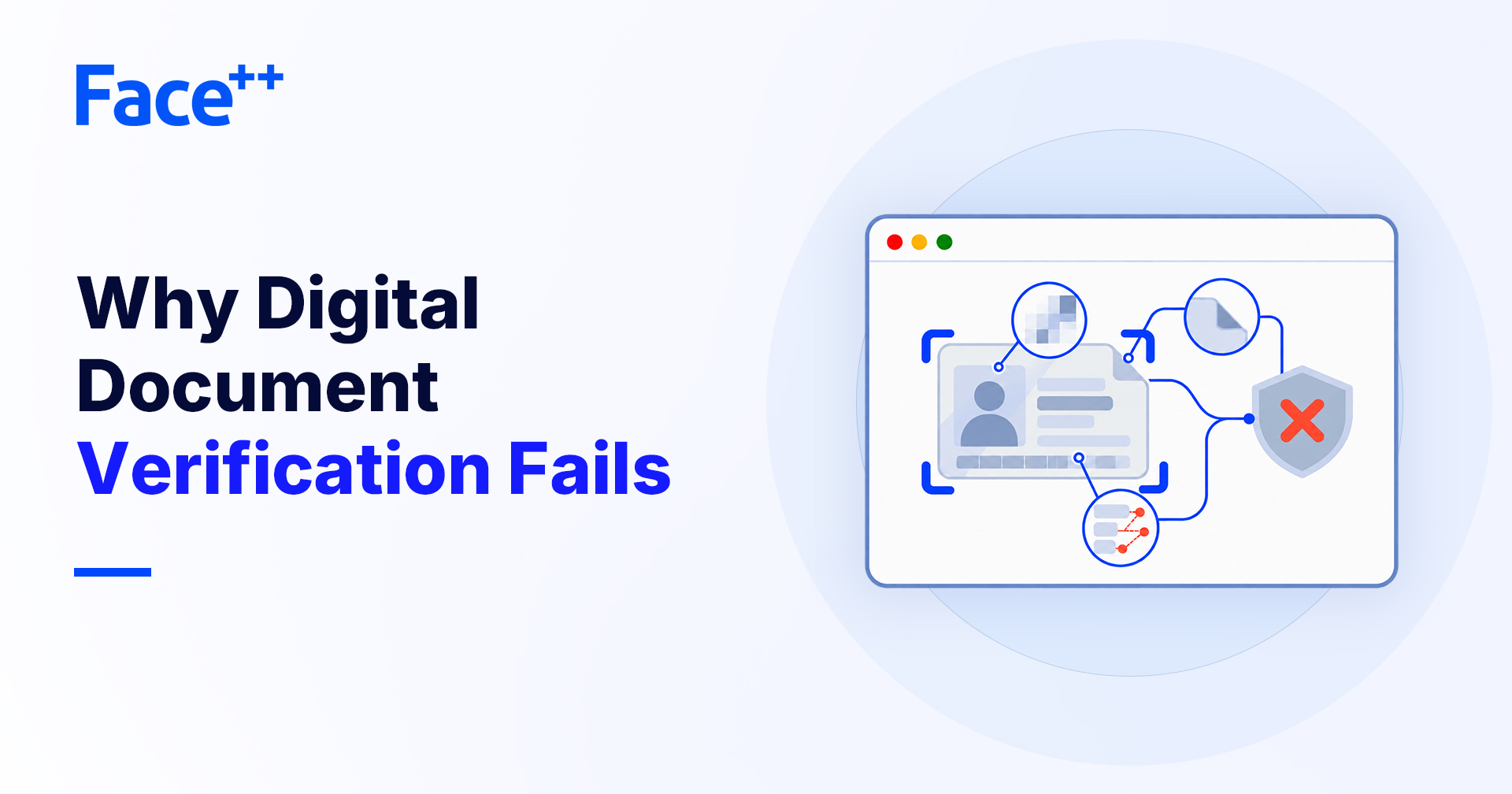
Why Document Verification Fails: Common Issues in Digital Identity Verification
A failed document-verification result does not always mean that a customer submitted a fraudulent identity document. Verification can fail because the image is unclear, the document type is unsupported, data cannot be validated, the document appears manipulated, or the person presenting it cannot be reliably linked to the stated identity.
2026-09-30 08:55
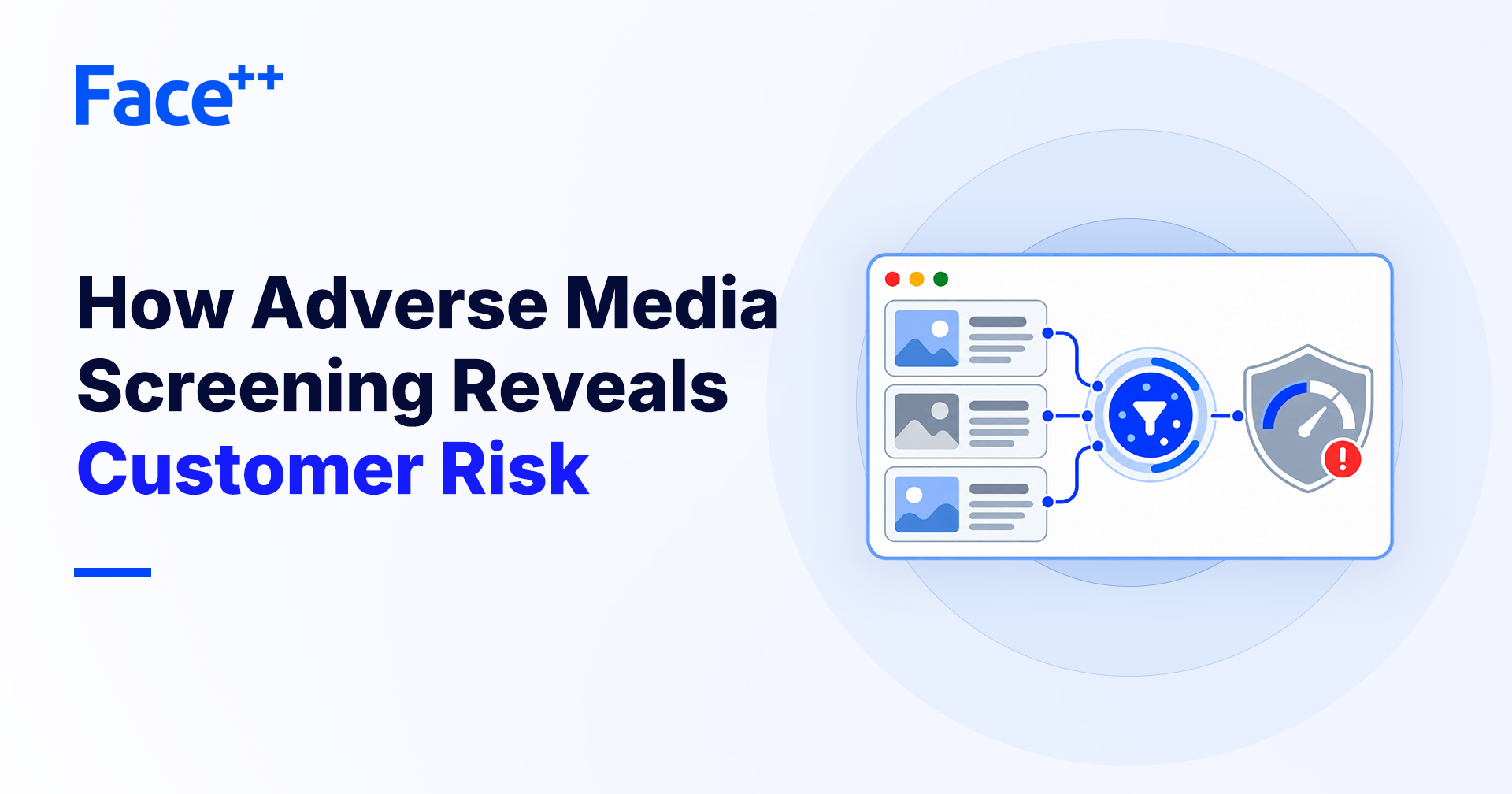
What Is Adverse Media Screening? How It Helps Identify Hidden Customer Risk
Identity verification confirms who a customer is, while sanctions and PEP screening compare that identity against structured compliance lists. However, significant customer risk may appear first in news reports, regulatory announcements, court records, or other public information.
2026-09-24 08:54
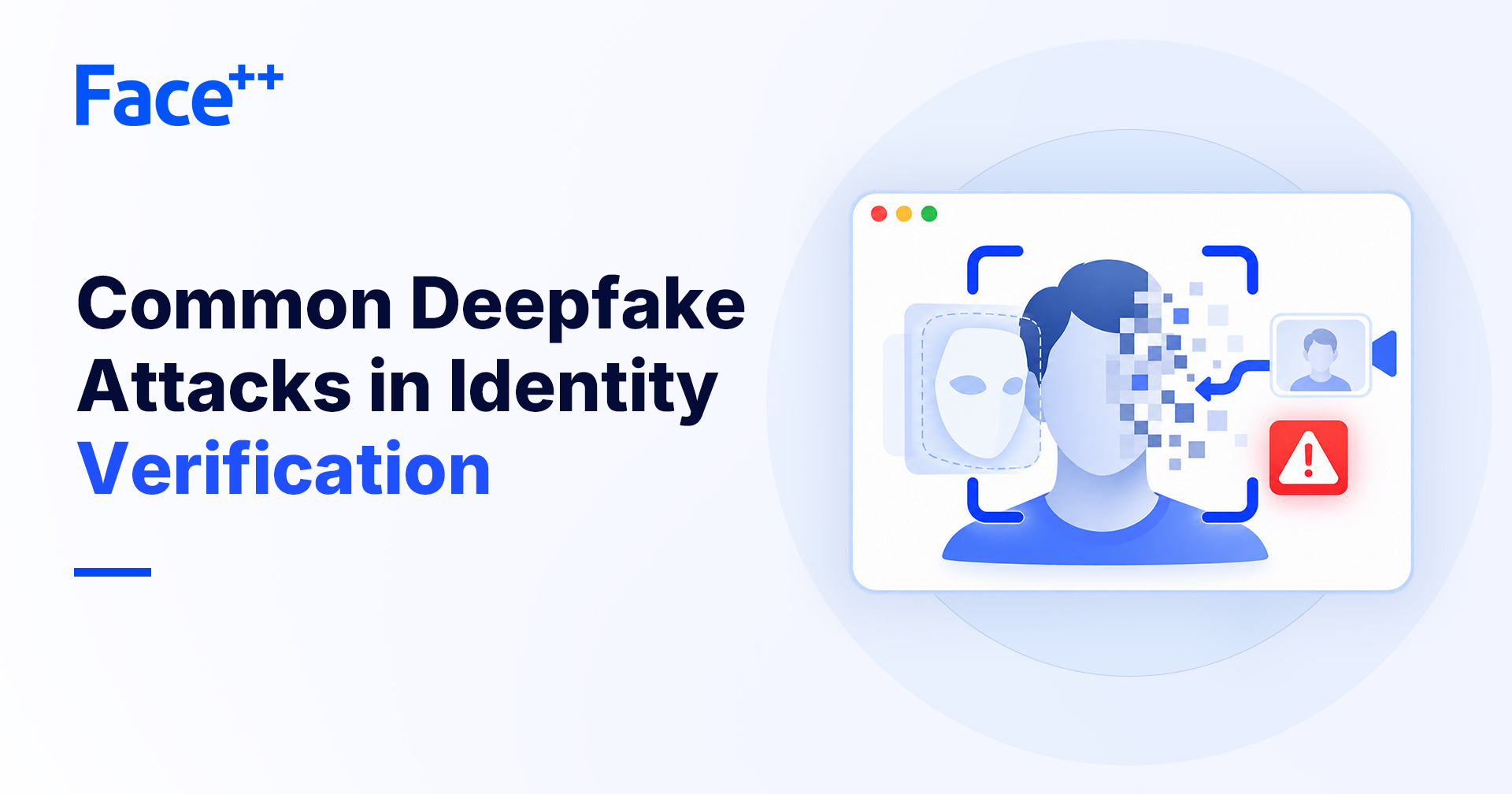
Common Types of Deepfake Attacks in Remote Identity Verification
Remote identity verification traditionally assumes that the face captured during onboarding, login, or account recovery belongs to a real person using a genuine camera. Deepfake technology challenges that assumption by enabling attackers to synthesize faces, manipulate facial movement, and inject artificial media into verification workflows.
2026-09-23 09:44
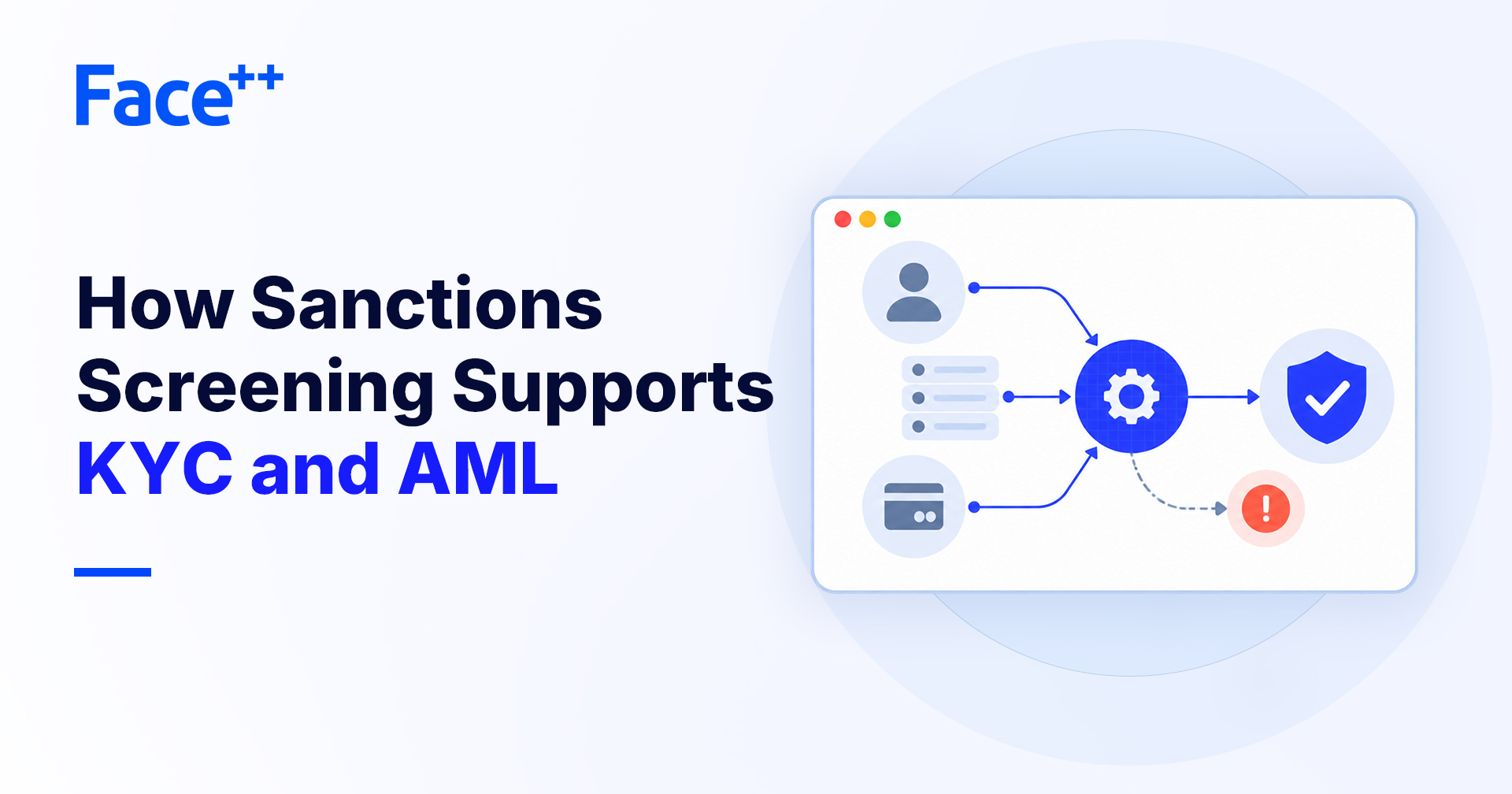
What Is Sanctions Screening? How It Supports KYC and AML Compliance
Verifying a customer’s identity does not establish whether a business is legally permitted to transact with that person or organization. Sanctions screening addresses this separate question by comparing customers and related parties against applicable sanctions data.
2026-09-22 02:11
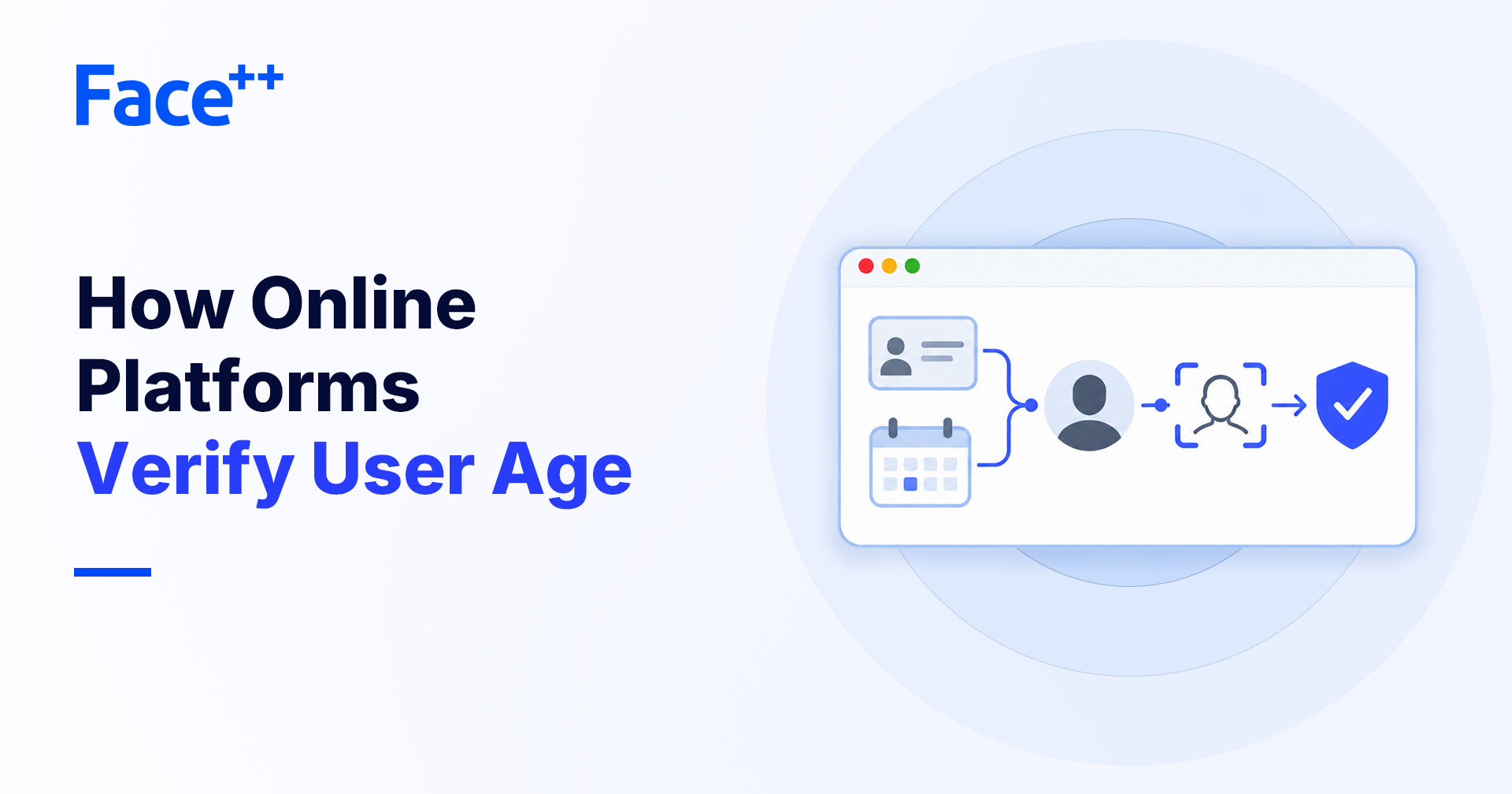
What Is Age Verification? How Online Platforms Verify User Age
Online platforms may need to determine whether a user is old enough to access specific content, create an account, purchase regulated products, or use certain features.

2026-09-10 08:39
Scheduled System Maintenance Notice
Face++ will perform a scheduled infrastructure upgrade and service migration starting at 00:00 (Beijing Time, UTC+8) on September 15, 2026

2026-09-09 09:49
What Is PEP Screening? Why It Matters in Customer Due Diligence
Politically exposed person screening, commonly called PEP screening, helps organizations identify customers and beneficial owners who hold—or have held—prominent public functions.

2026-09-08 07:30
What Is Synthetic Identity Fraud? How Fraudsters Build and Use Fake Identities
Synthetic identity fraud occurs when criminals construct an identity that does not accurately represent a real person. The identity may combine stolen information with fabricated attributes, or it may be entirely fictional.