
2026-07-31 07:15
Why Address Verification Matters in KYC and Digital Onboarding
Identity verification is not complete when a business confirms only a customer’s name, document, and face. For many regulated services, the customer’s residential address is another important part of establishing a reliable identity profile.
2026-07-29 09:51
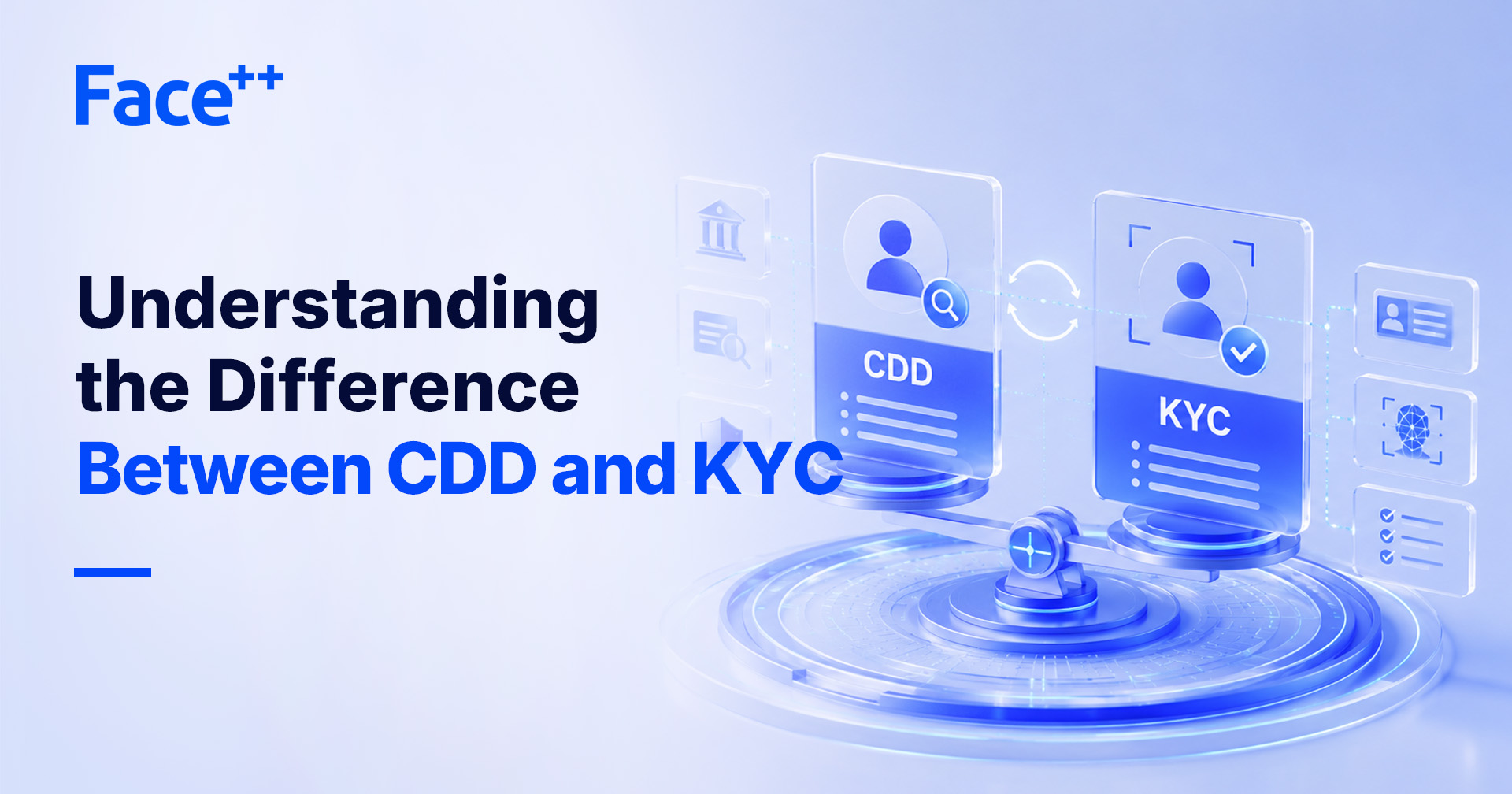
CDD vs KYC: What Is the Difference in Digital Identity Verification?
CDD and KYC are closely related concepts, but they are not interchangeable. Both help businesses understand who their customers are and whether those customers present financial, compliance, or fraud risks. However, they operate at different levels of the customer risk management process.

2026-07-27 10:00
How Deepfake Fraud Works: Understanding AI-Powered Identity Attacks
Deepfake technology can generate or manipulate faces, voices, documents, and videos with increasing realism. Although it has legitimate applications in entertainment and content creation, fraudsters are using the same technology to impersonate real people, create synthetic identities, and bypass digital identity verification.
2026-07-24 06:53
Common Identity Document OCR Fields: What Businesses Should Extract and Validate
Identity document OCR converts information from passports, national identity cards, driver’s licenses, and residence permits into structured data. It reduces manual entry, accelerates customer onboarding, and helps businesses create consistent digital identity records.
2026-07-22 06:29
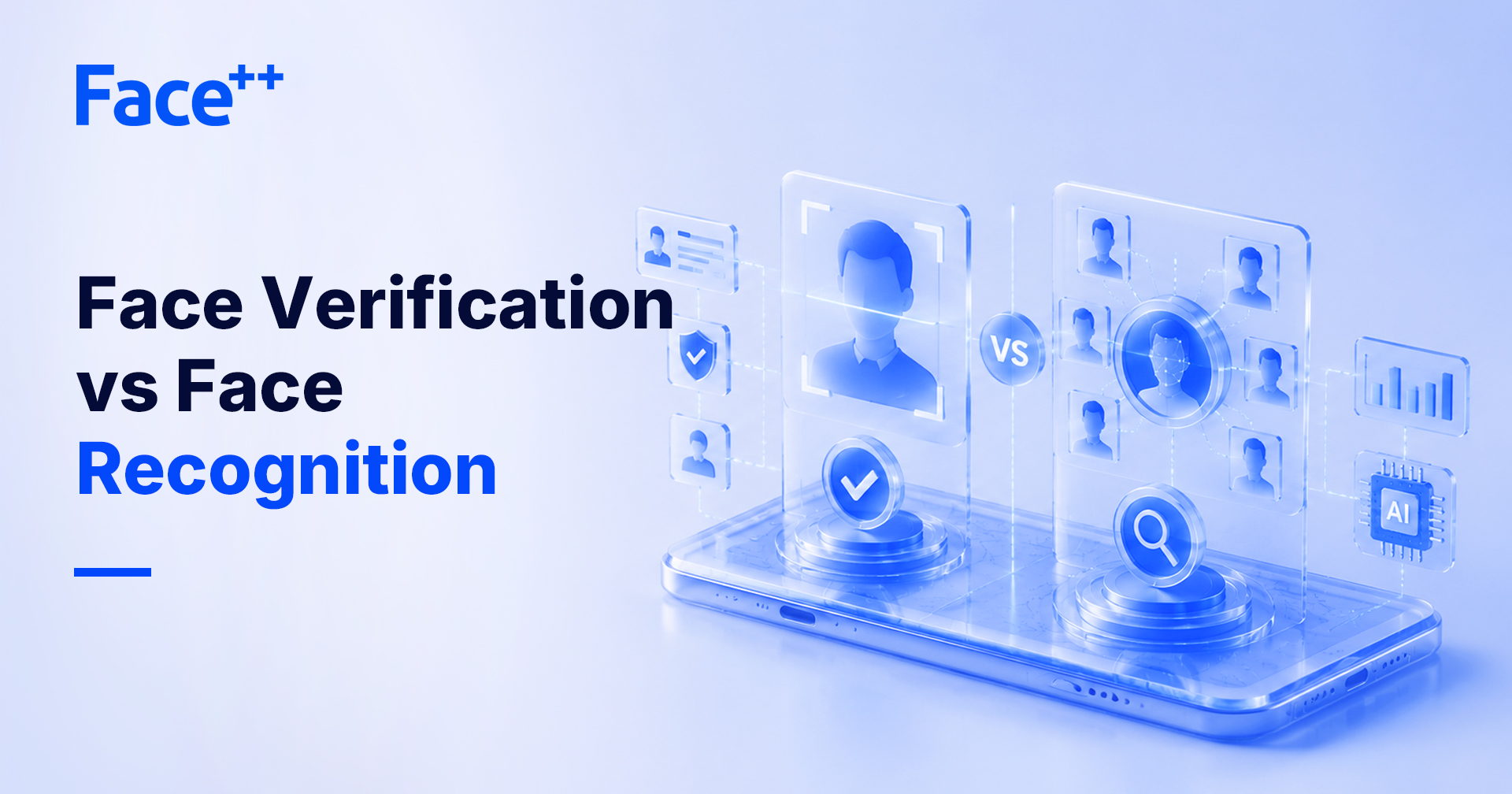
Face Verification vs Face Recognition: What Is the Difference?
Face verification and face recognition are often used interchangeably, but they usually describe different biometric tasks. Both technologies analyze facial features, yet they answer different questions and support different business scenarios.
2026-07-20 09:24
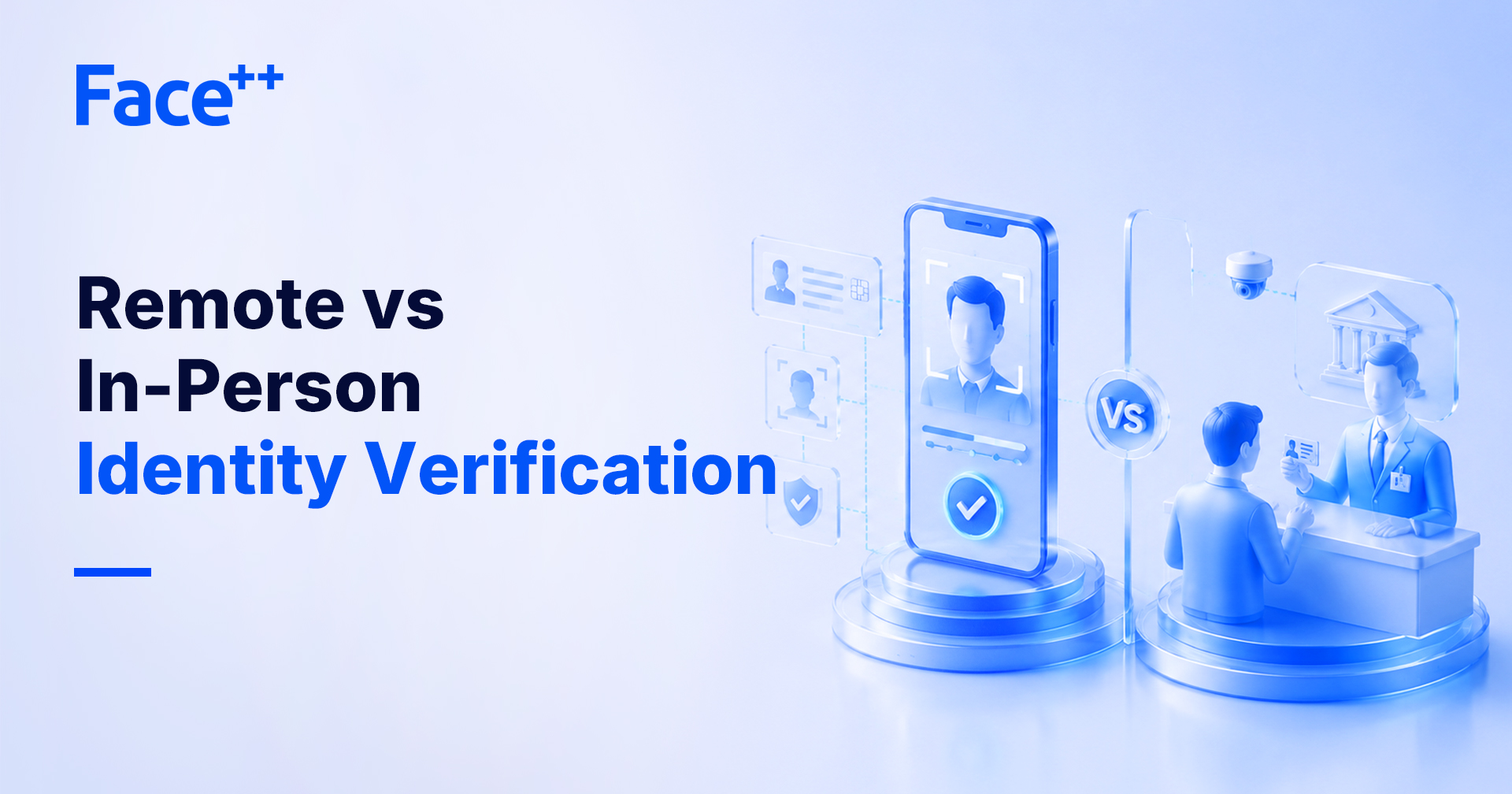
Remote vs In-Person Identity Verification: What Digital Businesses Need to Know
Identity verification has traditionally been completed face to face. A customer visits a branch, presents an identity document, and an employee compares the document portrait with the person standing in front of them.

2026-07-17 08:00
Screenshots, Printouts, and Recapture Attacks: Common Document Fraud Risks in eKYC
Digital identity verification allows customers to open accounts, apply for credit, and access financial services without visiting a physical branch. A typical eKYC process asks the user to capture an identity document so the system can extract its data and evaluate whether it is valid.

2026-07-15 10:00
What Is Ongoing KYC Why Digital Platforms Need Continuous Identity Risk Monitoring
Know Your Customer (KYC) is often treated as a one-time onboarding requirement. A user submits an identity document, completes face verification and liveness detection, and receives access to the platform.

2026-07-13 15:14
How to Detect Digital Injection Attacks During Face Verification
Face verification is widely used in digital onboarding, account recovery, login authentication, and high-risk transaction approval. However, as facial recognition systems become more common, attackers are moving beyond physical presentation attacks such as printed photos or replayed videos.

2026-07-10 08:43
Passive Liveness Detection: How to Reduce Friction in Digital Onboarding
Digital onboarding has become the primary customer acquisition channel for banks, fintech platforms, digital wallets, insurance providers, and other online services. Customers now expect to open an account, apply for credit, or access a digital service within minutes—without visiting a physical branch or completing complicated verification steps.
2026-07-08 09:08
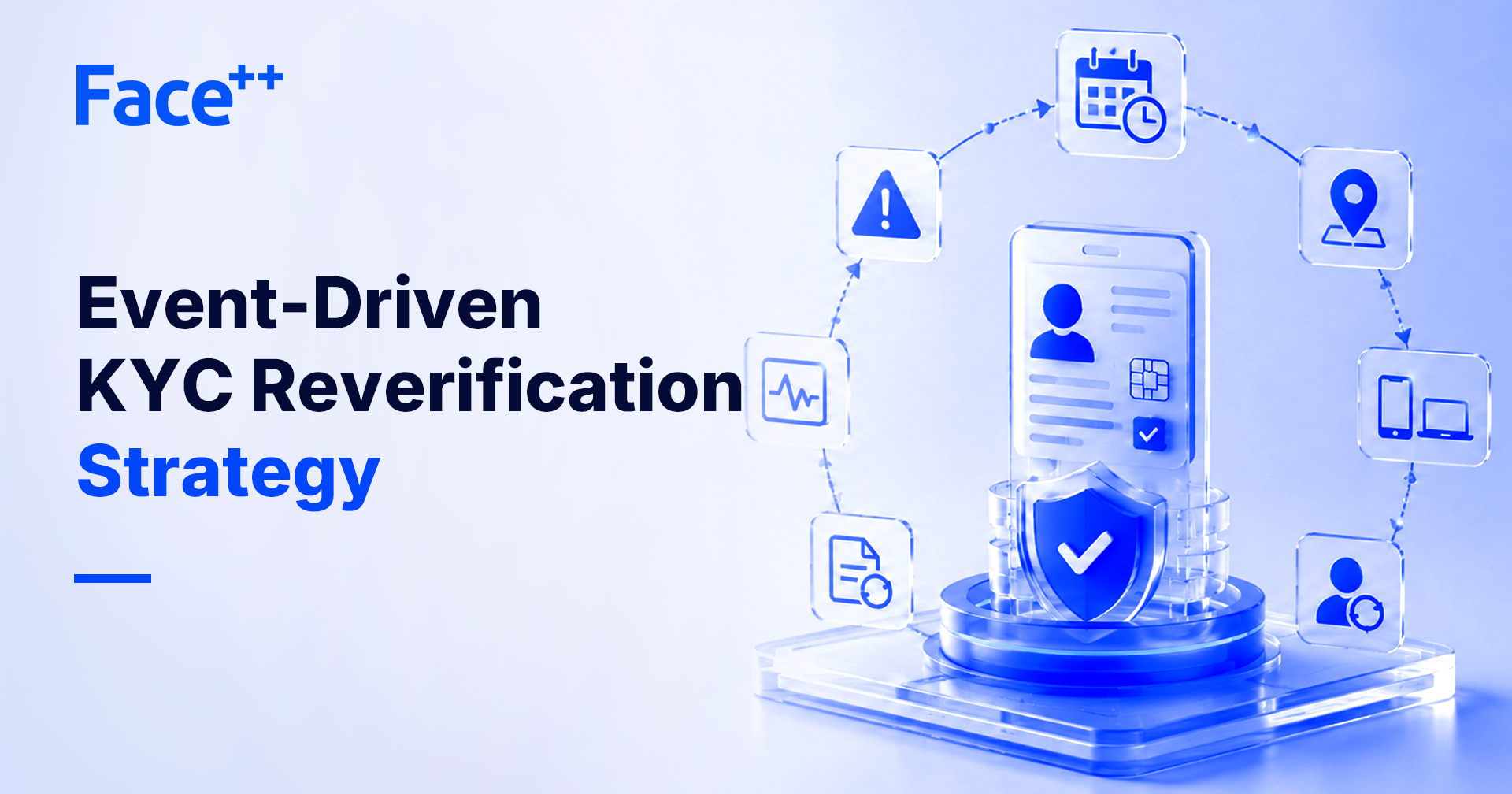
Event-Driven KYC Reverification: When Should Digital Businesses Recheck Customer Identity?
For many digital businesses, KYC is still treated as a one-time onboarding checkpoint. A customer signs up, submits an ID document, completes face verification, passes liveness detection, and then enters the platform. From that point on, identity is often assumed to remain stable unless a compliance rule requires periodic review.
2026-07-06 17:56
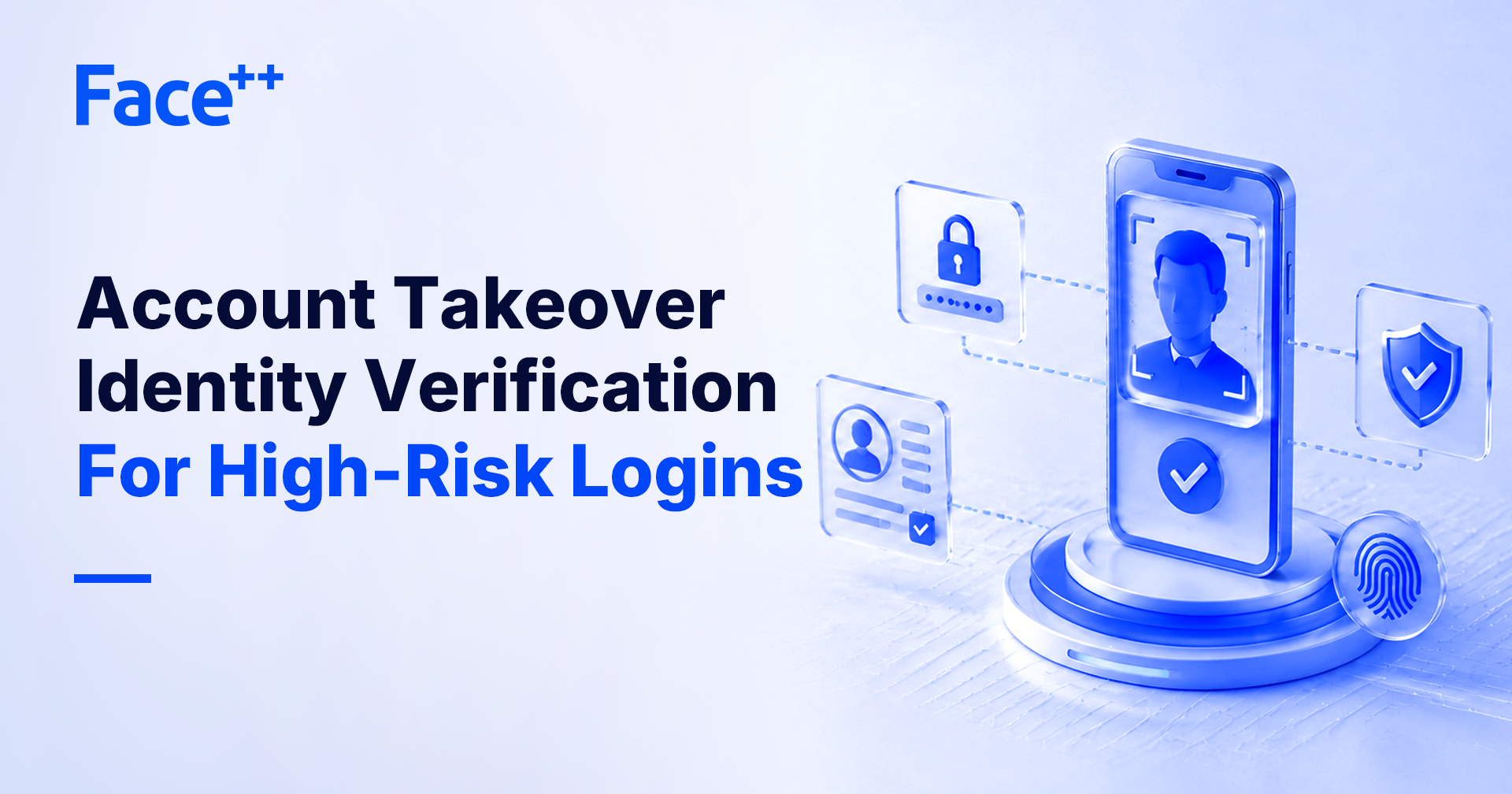
Identity Verification Against Account Takeover: How Face Verification Protects High-Risk Logins
Account takeover has become one of the most damaging fraud threats for digital platforms. Unlike fake account registration, account takeover happens after a legitimate account already exists. The attacker may have obtained the user’s password through phishing, credential stuffing, malware, SIM swap, or social engineering. From the platform’s perspective, the…

2026-07-03 09:05
Name and Address Consistency Checks: How to Detect Mismatched KYC Documents
In digital onboarding, identity fraud does not always appear as a completely fake document or an obviously manipulated selfie. In many cases, fraudsters use real document images, borrowed identities, edited utility bills, or screenshots from different sources to pass basic Know Your Customer (KYC) checks.

2026-07-01 09:51
Document and Face Verification for Remote Onboarding A Practical Guide for Digital Platforms
Remote onboarding has become the default user acquisition model for digital platforms. Whether a business operates in fintech, digital banking, online lending, mobility, gaming, social networking, or cross-border services, users now expect to open accounts, pass verification, and start using services without visiting a physical branch or office.

2026-06-29 09:51
Risk-Based CDD for Digital Onboarding: How to Balance Compliance, Security, and Conversion
Digital onboarding has become a critical growth channel for banks, fintech platforms, digital wallets, lending apps, and other regulated digital businesses. Customers expect to open an account, verify their identity, and start using services within minutes. At the same time, businesses must meet customer due diligence requirements, prevent identity fraud,…