


Multilingual Recognition
Recognize documents across languages and markets.


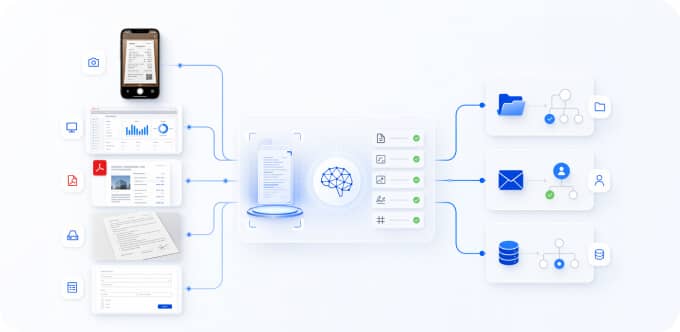
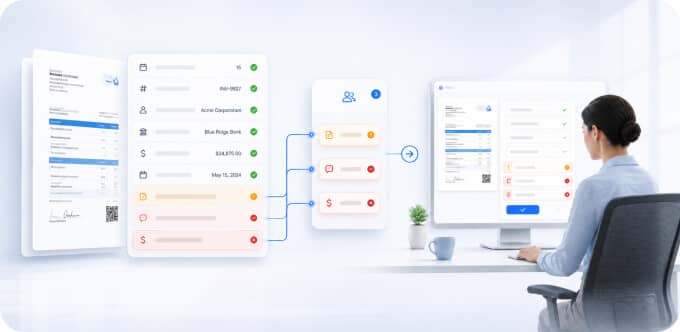
Reviewing and entering information from multiple documents creates backlogs and extends turnaround times.

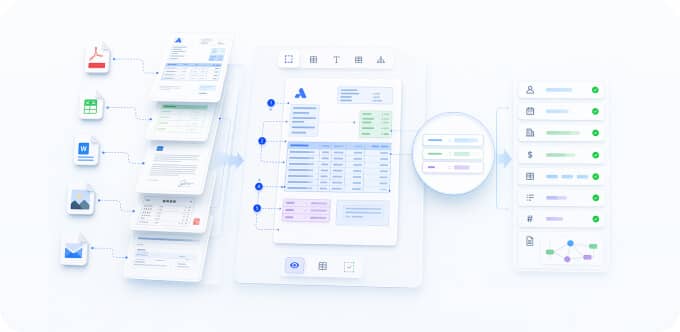
Recognized text still requires field mapping, layout and table interpretation, format normalization, and manual cleanup before it can support business decisions.

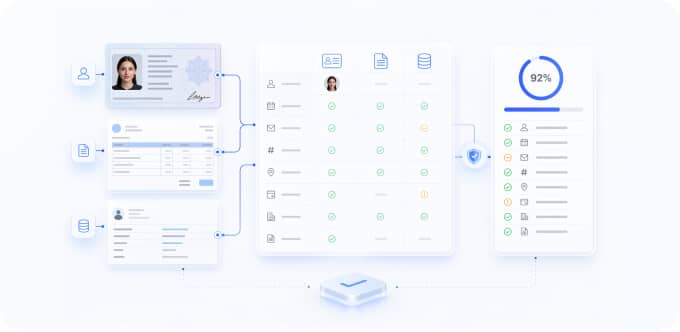
Conflicting names, dates, amounts, addresses, or document numbers may be overlooked when teams process large volumes of materials manually.

Learn from real and AI-generated attack samples.
Detect generation traces and visual anomalies.
Flag suspicious documents for review or further verification.
Support identity documents across countries and document types.
Learn from real and AI-generated attack samples.
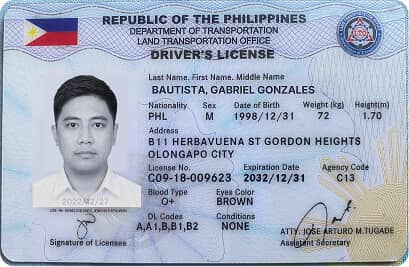
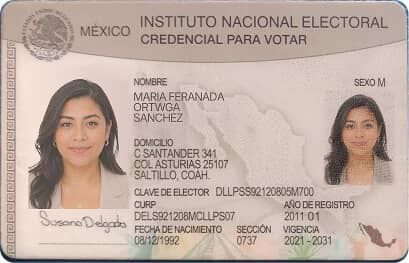
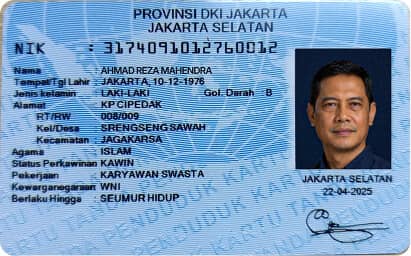
Detect generation traces and visual anomalies.



Flag suspicious documents for review or further verification.
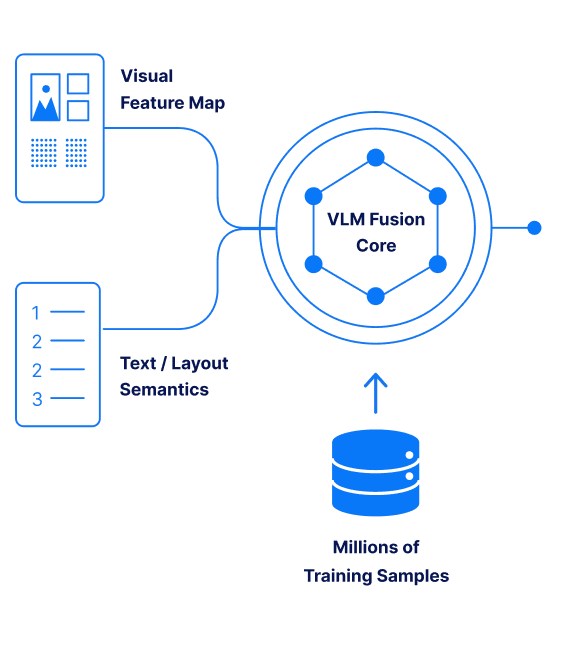
Support identity documents across countries and document types.
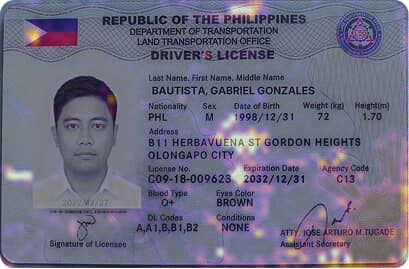
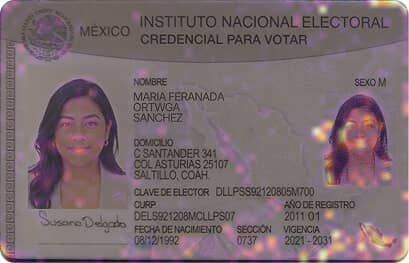
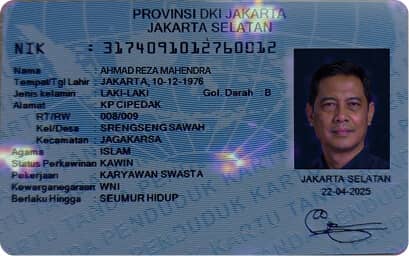
Use genuine documents and AI-generated attack samples to improve detection across evolving fraud patterns.
Identify generation traces, texture anomalies, and visual inconsistencies that basic OCR cannot detect.
Return clear risk results so suspicious documents can be blocked, reviewed, or routed to additional verification.
Support identity documents from different countries and document types without relying only on fixed templates.
Recognize documents across languages and markets.
Interpret fields, tables, stamps, and reading order.
Detect quality issues, tampering, and suspicious patterns.
Identify AI-generated or manipulated identity documents.
Validate key information against trusted data sources.
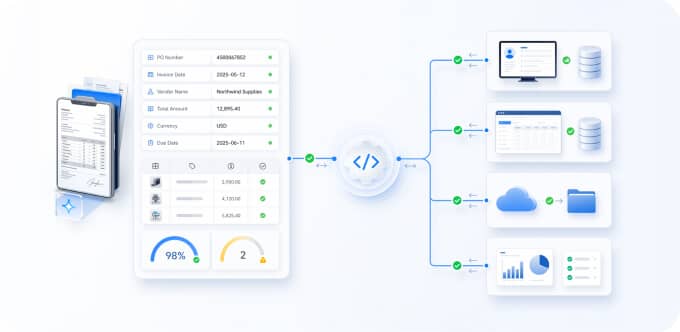
Deliver standardized fields, tables, scores, and issue results.
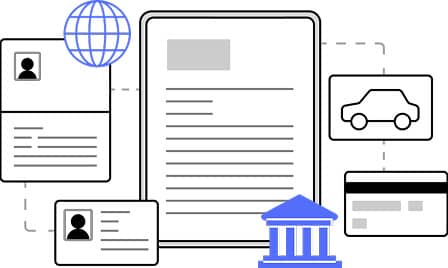
ID cards, passports, driver’s licenses, bank cards, business licenses
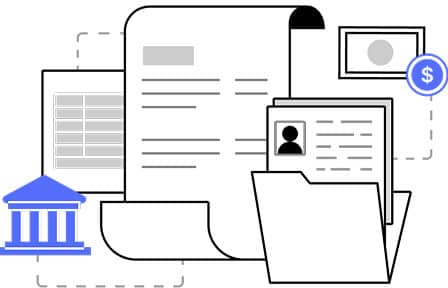
Bank statements, income certificates, credit reports, financial statements.
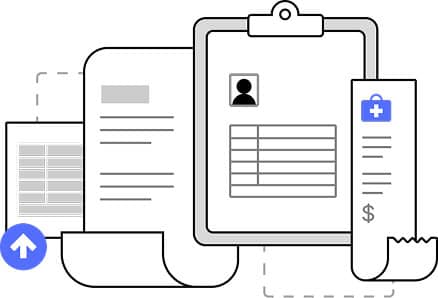
Application forms, contracts, receipts, claim forms, medical invoices.
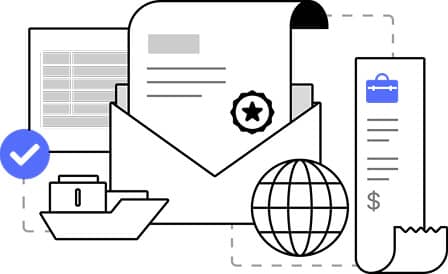
Bills of lading, commercial invoices, packing lists, customs declarations.
Extract and validate data from IDs, income documents, bank statements, business licenses, and application materials to accelerate application preparation and review.
Structure information from claim forms, medical invoices, inspection reports, expense lists, and supporting documents to shorten case preparation and review time.
Capture data from bills of lading, commercial invoices, packing lists, and customs documents to reduce repeated entry and identify inconsistencies earlier.
Automate document handling across finance, legal, HR, audit, vendor onboarding, and other internal business workflows.
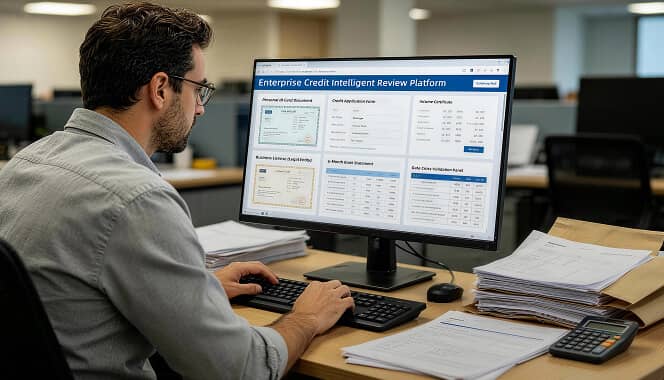
 Customer Onboarding and Lending
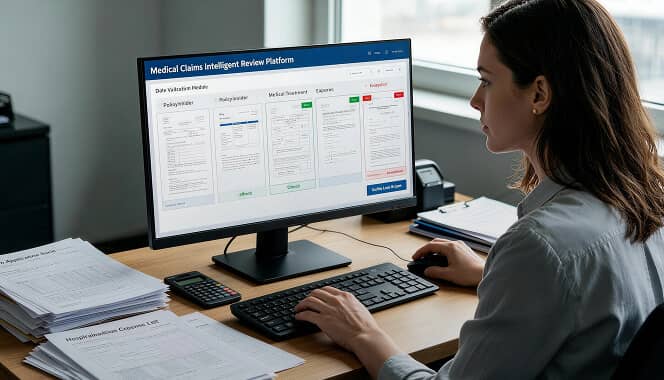 Insurance Claims
 Logistics and Cross-Border Trade
 Enterprise Operations


Tue Sep 22 2026 19:14:11 GMT+0800 (China Standard Time)
